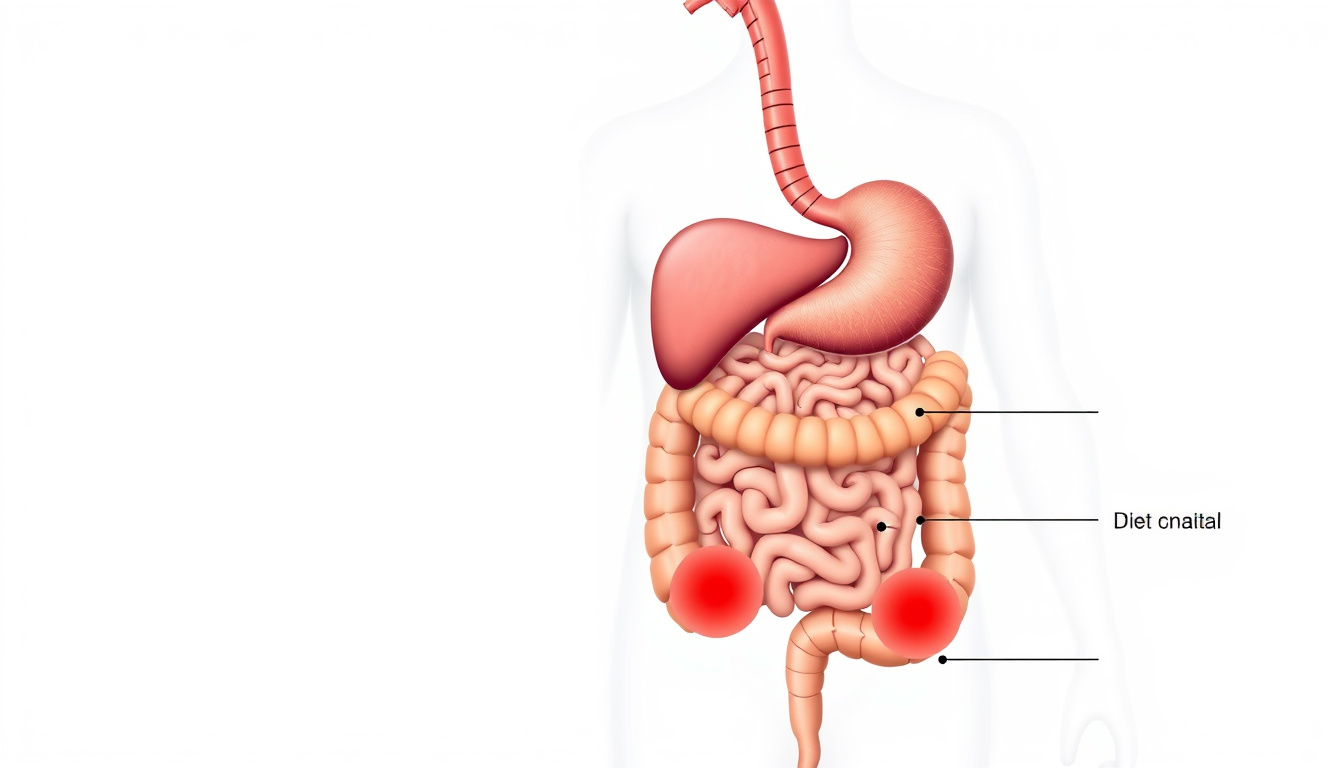
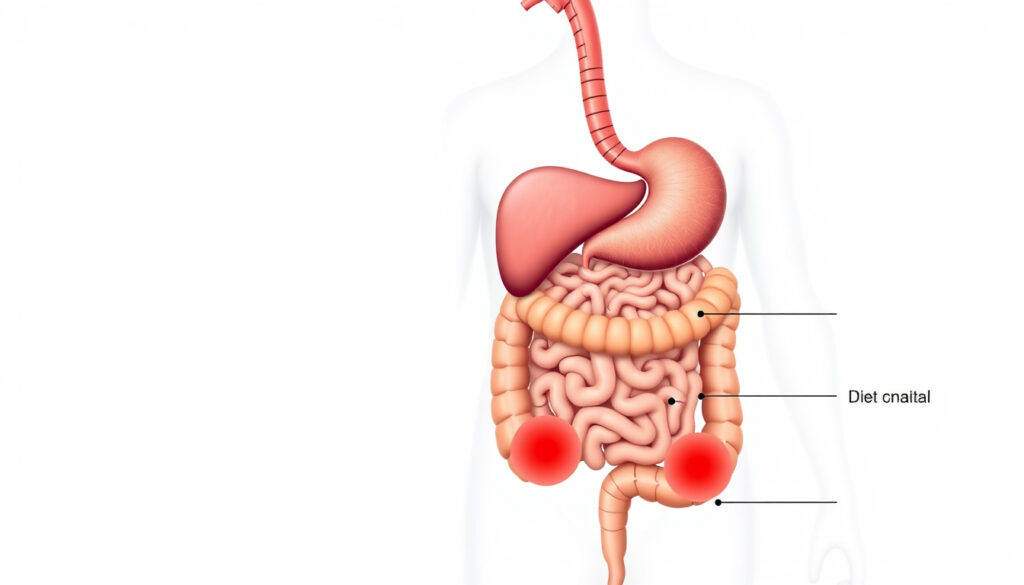
Most of us only think about our digestive system when something feels off — a bit of bloating after a heavy meal, or that familiar heartburn. But this remarkable network of organs works quietly every day, turning a sandwich into the energy that powers your entire body. Here’s a clear look at how it all works, based on guidelines from the NIH and Cleveland Clinic.
Length of small intestine: approx 20 feet (6 meters) ·
Length of large intestine: approx 5 feet (1.5 meters) ·
Total digestion time: 24 to 72 hours ·
Main organs: 7 (mouth, esophagus, stomach, small intestine, large intestine, rectum, anus)
Quick snapshot
- The digestive system includes the GI tract and accessory organs (NIDDK (U.S. government health agency))
- Seven hollow organs form the GI tract: mouth, esophagus, stomach, small intestine, large intestine, rectum, anus (NIDDK)
- The small intestine is the longest part of the GI tract at about 22 feet (Cleveland Clinic (academic medical center))
- The exact impact of specific gut bacteria on mood is not well understood (Mayo Clinic (nonprofit medical practice))
- The “20-minute rule” (eating slowly to feel full) is a suggestion based on limited evidence (Mayo Clinic (nonprofit medical practice))
- Clinical benefits of herbal teas like ginger or peppermint for digestion are not robustly established (Mayo Clinic (nonprofit medical practice))
- Complete digestion from mouth to elimination generally takes 24 to 72 hours
- Stomach emptying takes roughly 2 to 5 hours; the small intestine processes food over 2 to 6 hours; the large intestine reabsorbs water over 12 to 48 hours
- Total GI tract length: approx 30 feet (9 meters)
- About 70% of immune cells reside in the gut
- Trillions of microbes inhabit the gut
The digestive system is a 30-foot tube that breaks food into nutrients, with 7 main organs processing food over 24 to 72 hours. Most people only notice their gut when something goes wrong — but knowing the anatomy and warning signs can help you catch problems early.
What are the 7 organs of the digestive system?
The digestive system consists of seven hollow organs that form the gastrointestinal tract, plus accessory organs. According to NIDDK (U.S. government health agency), the GI tract includes the mouth, esophagus, stomach, small intestine, large intestine, rectum, and anus. The accessory organs — liver, pancreas, and gallbladder — are solid organs that produce enzymes and bile to help digestion.
The pattern: Each organ plays a specific, non-interchangeable role — from mechanical breakdown in the mouth to absorption in the small intestine.
What is the function of the small intestine?
The small intestine is the longest part of the GI tract at about 22 feet, according to Cleveland Clinic (academic medical center). It has three parts: duodenum, jejunum, and ileum. Here, food mixes with digestive juices from the pancreas and liver, and most nutrients are absorbed into the bloodstream via millions of tiny finger-like projections called villi.
What is the role of the liver?
The liver is a solid accessory organ that produces bile, which helps break down fats. It also processes nutrients absorbed from the small intestine and filters toxins from the blood. According to NIDDK, the liver is essential for metabolism and detoxification.
What are the 7 steps of digestion?
Digestion follows a sequential process from mouth to anus. Based on guidelines from NIDDK (U.S. government health agency), here are the seven steps:
- Ingestion: Taking food into the mouth begins the process.
- Mechanical and chemical digestion in the mouth: Teeth break food into smaller pieces; saliva contains enzymes that start breaking down carbohydrates.
- Swallowing and peristalsis: The tongue pushes food into the esophagus, where wave-like muscle contractions (peristalsis) move it to the stomach.
- Stomach digestion: The stomach churns food and mixes it with gastric acid and enzymes, turning it into a semi-liquid called chyme.
- Small intestine absorption: Most nutrients are absorbed into the bloodstream through the walls of the small intestine.
- Large intestine water absorption: Water and electrolytes are reabsorbed, and undigested material is formed into stool.
- Elimination: Stool moves to the rectum and is expelled through the anus.
The implication: Each step depends on the previous one — if any stage is disrupted, the entire process can be affected.
What is the 20 minute rule when eating?
The “20-minute rule” suggests eating slowly to allow satiety signals to reach the brain, helping prevent overeating. However, as noted in the unclear facts section, this recommendation is based on suggestion rather than strong clinical evidence.
This is a suggested practice, not a medically proven guideline. For reliable digestive health advice, consult a healthcare professional.
How long does food take to digest?
Total digestion time ranges from 24 to 72 hours, according to NIDDK (U.S. government health agency). The process varies by individual and meal composition.
| Stage | Time | Key activity |
|---|---|---|
| Stomach emptying | 2 to 5 hours | Churning and acid breakdown |
| Small intestine transit | 2 to 6 hours | Nutrient absorption |
| Large intestine transit | 12 to 48 hours | Water reabsorption |
The catch: High-fat meals take longer to digest, while fiber speeds up transit time.
What factors affect digestion time?
Several factors influence how quickly food moves through the digestive tract: meal composition (high-fat meals delay stomach emptying), fiber content (fiber speeds up large intestine transit), hydration levels, physical activity, stress, age, and individual metabolic differences.
Which drink is best for digestion?
Water is essential for digestion and nutrient absorption, according to NIDDK. It helps dissolve nutrients, softens stool, and supports the entire digestive process. Specialty teas may offer additional benefits, but water remains the most reliable option.
What are the benefits of water for digestion?
Water aids in breaking down food, allows nutrient absorption, prevents constipation by softening stool, and supports the mucus lining of the intestines. The body needs adequate hydration for every digestive function.
Is ginger tea good for digestion?
Ginger tea can help relieve nausea and may improve overall digestion. While clinical evidence is not robust, many people find it soothing for mild digestive upset.
What about peppermint tea?
Peppermint tea may soothe symptoms of irritable bowel syndrome (IBS), but its clinical benefits for general digestion are not firmly established. According to Mayo Clinic (nonprofit medical practice), bloating, nausea, and diarrhea are signs of intestinal problems that may require medical attention rather than self-treatment with tea.
Water is the single most important drink for healthy digestion. Specialty teas may offer mild additional benefits, but should not replace medical treatment for persistent symptoms.
What are four signs that your digestive system isn’t working properly?
According to Mayo Clinic (nonprofit medical practice), common warning signs include gas and bloating, constipation or diarrhea, heartburn, and abdominal pain. These symptoms can indicate a range of conditions from mild intolerance to serious disease.
Persistent digestive symptoms — lasting more than two weeks — should prompt a visit to a healthcare provider. Early detection of conditions like GERD, IBS, or celiac disease improves outcomes.
What are the 7 signs of an unhealthy gut?
Beyond the four core signs, additional indicators of an unhealthy gut include fatigue, food intolerances, skin issues, and unexplained weight changes. An unhealthy gut can also affect the immune system, as about 70% of immune cells reside in the gut.
What are signs of poor digestion?
Poor digestion manifests as frequent gas, bloating after meals, irregular bowel movements (constipation or diarrhea), heartburn, nausea, and a feeling of fullness that lasts too long after eating. If these symptoms are chronic, they may indicate underlying conditions such as GERD, IBS, celiac disease, or Crohn’s disease.
According to the Mayo Clinic, Crohn’s disease most commonly affects the last part of the small intestine (ileum) and parts of the colon. Early diagnosis is key to managing these conditions.
Never ignore persistent digestive symptoms. Chronic gas, pain, or changes in bowel habits warrant medical evaluation to rule out serious conditions like inflammatory bowel disease or gastrointestinal cancers.
Related reading: Digestive System: Process, Organs, and Common Diseases
ncbi.nlm.nih.gov, opentextbc.ca, ncbi.nlm.nih.gov, youtube.com, mayoclinic.org, hopkinsmedicine.org, newsnetwork.mayoclinic.org, niddk.nih.gov, mcpress.mayoclinic.org, arendalnytt.net
The digestive system guide provides a thorough walkthrough of the digestive process and potential warning signs.
Frequently Asked Questions
Can stress affect digestion?
Yes, stress can disrupt digestion by altering gut motility, increasing acid production, and affecting the balance of gut bacteria. Chronic stress is linked to conditions like IBS and GERD.
What is the role of probiotics?
Probiotics are live beneficial bacteria that may help maintain a healthy gut microbiome. While research is ongoing, some strains may help with conditions like IBS and antibiotic-associated diarrhea.
Is fiber important for digestion?
Yes, fiber adds bulk to stool, promotes regular bowel movements, and feeds beneficial gut bacteria. Soluble fiber (oats, beans) helps regulate blood sugar, while insoluble fiber (whole grains, vegetables) aids transit.
What causes heartburn?
Heartburn occurs when stomach acid flows back into the esophagus, often due to a weakened lower esophageal sphincter. Risk factors include large meals, fatty foods, alcohol, and lying down after eating.
What are the best foods for digestion?
Fiber-rich foods like fruits, vegetables, whole grains, and legumes support digestion. Fermented foods (yogurt, kimchi) provide probiotics, while lean proteins and healthy fats are easier to digest than processed foods.
How does aging affect digestion?
Aging can slow digestion due to reduced stomach acid production, decreased motility, and medication side effects. Older adults may benefit from smaller, more frequent meals and increased fiber and water intake.
The digestive system’s 7 organs work in sequence to break down food over 24 to 72 hours. Recognizing warning signs like persistent gas, bloating, heartburn, or irregular bowel movements can help you seek timely medical care and maintain gut health.

Oliver Jack Carter Cooper is a staff writer for EveningLedger.uk, covering UK news, politics, business and culture. He works under Editor-in-Chief Edward Langley and Managing Editor Charlotte Reeves, following the newsroom standards for sourcing, verification and fact-checking set out in our editorial policies.