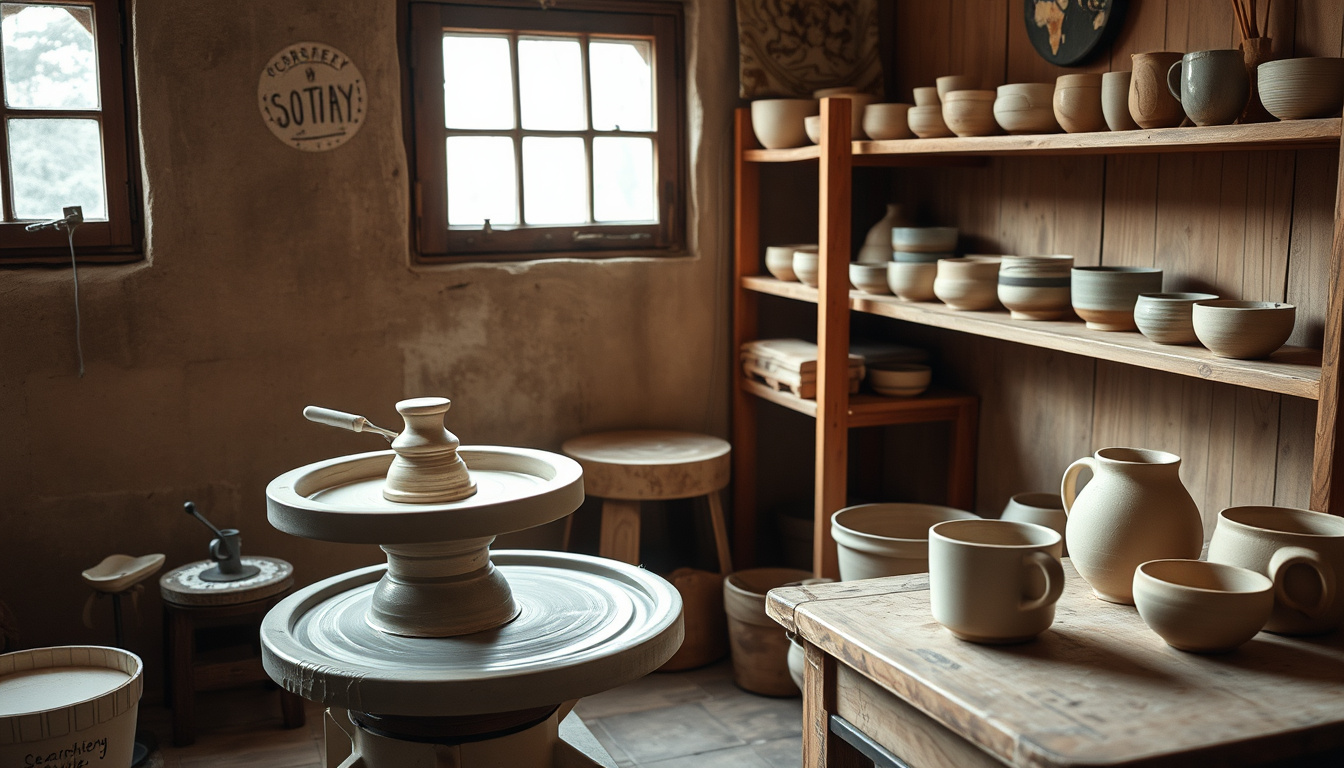
There’s something oddly satisfying about picking up a paintbrush in a café and turning a plain mug into a keepsake. Here’s what first-timers actually need to know about cost, clothing, and the full cycle from wet clay to finished piece.
Average cost per piece: $25–$45 ·
Typical session length: 2–3 hours ·
Messiness level: Moderate — aprons provided ·
Firing turnaround: 1–2 weeks
Quick snapshot
- $25–$45 per piece on average. Studios like Painting Pottery Cafe (specialist paint‑your‑own pottery studio) quote £25–£30.
- Extra charges for large items or multiple firings can apply. (Painting Pottery Cafe (specialist paint‑your‑own pottery studio))
- Loyalty discounts offered by some studios. (Painting Pottery Cafe (specialist paint‑your‑own pottery studio))
- Apron provided, but comfortable, washable clothes recommended (Inspire Pottery Studio (US‑based ceramic education studio)).
- Closed‑toe shoes preferred by most studios (Inspire Pottery Studio).
- Remove jewelry before painting (Inspire Pottery Studio).
- Typical session: 1.5–2 hours plus pickup 1–2 weeks after firing. (Pottery Café FAQs (official studio chain))
- Pottery Café (UK chain) allows 1 hour 45 minutes per slot (Pottery Café FAQs (official studio chain)).
- Pieces fired and ready in 1–2 weeks (Pottery Café FAQs).
- Check studio storage policy — some charge after a grace period (Wet Clay Cafe (studio with wheel‑throwing and painting)).
Here is a quick summary of the key numbers that define the pottery cafe experience.
| Attribute | Typical value |
|---|---|
| Average cost per piece | $30 |
| Session length | 2–3 hours |
| Messiness rating | Moderate |
| Firing time | 1–2 weeks |
How Much Does a Pottery Cafe Cost?
The price you pay depends mostly on the ceramic blank you choose — a small cup costs less than a large platter. Bonbon Pottery, a UK‑based studio, says pricing is based on the piece and there is no separate studio fee; the listed price includes paints, brushes, glazing and firing (Bonbon Pottery (independent pottery studio guide)). In the US, Color Time in Sunny Isles Beach charges a $8 studio fee per person plus the cost of the ceramic blank, with prices starting at $20 (Color Time (US‑based paint‑your‑own studio)).
At Wet Clay Cafe, pieces range from $8 to $150, and glaze and firing are included (Wet Clay Cafe (studio with wheel‑throwing and painting)). For UK visitors, Painting Pottery Cafe expects customers to spend around £25–£30 per person (Painting Pottery Cafe FAQ).
Choosing a cheaper ceramic blank keeps costs low, but larger or more complex pieces often require multiple firings and push the total higher. For a first visit, a mug or small bowl in the $20–$30 range is the safest bet.
Is pottery an expensive hobby?
Starting with occasional pottery cafe visits is affordable — $25–$45 per session with no upfront equipment. But if you catch the bug and want your own wheel and kiln at home, the investment jumps into the thousands. For most beginners, the cafe model offers a low‑cost introduction to working with clay without committing to studio‑grade gear.
The implication: pottery cafes are a low‑risk way to test the hobby. Once you factor in the convenience of not buying supplies or cleaning a kiln, the per‑session price is competitive with other creative outings.
For first‑timers, the safe bet is a mug or small bowl in the $20–$30 range at a studio with clear pricing and storage policies like Pottery Café or Bonbon Pottery.
How Long Is a Pottery Session?
Most pottery cafes design sessions to last between 1.5 and 2.5 hours. Bonbon Pottery says its sessions run around 1.5 hours, which is usually enough for a beginner to finish a piece comfortably, with the option to add 30 minutes for a £5 extension fee (Bonbon Pottery beginner’s guide). Pottery Café (UK chain) gives guests exactly 1 hour 45 minutes to paint (Pottery Café FAQs (official studio chain)).
The artists and hosts are outstanding. The experience is relaxed and fun.
— TripAdvisor visitor
Painting Pottery Cafe says each session is usually 2 hours, but notes that children under 8 are likely to finish much quicker (Painting Pottery Cafe FAQ). Color Time bundles a 2‑hour session with its studio fee, which includes creative time, complimentary drinks, paints, brushes and firing (Color Time).
If you’re visiting with young children, look for studios that offer shorter slots or relaxed timing. Groups of adults should book ahead and expect the full 2‑hour window — arriving late can cut into painting time since firing schedules are fixed.
The pattern: session lengths cluster around 2 hours, with flexibility for early finishers but no pressure to leave early. Most studios encourage you to take your time, and some offer extensions for a small fee.
What Do You Wear to a Pottery Cafe?
Aprons are supplied at almost every studio, but what you wear underneath matters. Inspire Pottery Studio recommends comfortable clothing, closed‑toe shoes, and a long‑sleeve cotton T‑shirt or button‑up shirt made of non‑stretchable fabric (Inspire Pottery Studio (US‑based ceramic education studio)). Loose‑fitting pants of cotton or other natural materials are also advised.
Wear comfortable clothing, closed‑toe shoes, and a long‑sleeve cotton T‑shirt or button‑up shirt made of non‑stretchable fabric.
— Inspire Pottery Studio
Jewelry is a problem — rings, bracelets and long necklaces can snag on the clay or get stuck in the wheel. Inspire Pottery Studio explicitly advises removing all jewelry (Inspire Pottery Studio).
Even with an apron, slip and glaze can splatter onto your shoes. Many first‑timers arrive in sandals and end up with permanent spots. Closed‑toe shoes aren’t just a suggestion — they’ll save your footwear.
How messy is a pottery class?
Moderate, and manageable. Slip (liquid clay) and glaze can splatter, and your hands will get dirty, but studios provide hand‑washing stations and cleaning areas. The mess is similar to a casual painting session — nothing a quick soap wash won’t fix. Long hair should be tied back for safety, especially if you’re using a pottery wheel.
What this means: you don’t need “mess‑free” clothes, but skip cashmere and silk. The aprons catch most of the paint, but sneakers and jeans are the smart choice.
How Long Does Clay Café Keep Your Stuff?
After you finish painting, the studio glazes and fires your piece in a kiln. This process typically takes 1–2 weeks. Pottery Café in the UK says items are collected glazed and fired around 10 days later (Pottery Café FAQs).
Storage policies vary. Some cafes keep finished pieces for a month, others only a couple of weeks before they start charging a daily storage fee. Wet Clay Cafe advises prompt pickup and does not guarantee indefinite holding (Wet Clay Cafe).
The trade‑off: if you can’t return within the window, call ahead. Most studios will hold your piece a few extra days if you let them know. Setting a reminder on your phone for the pickup date prevents a lost souvenir.
How to Prepare for Your First Pottery Cafe Visit
- Book ahead. Especially on weekends. Many studios require reservations for painting slots. For more visitor tips, see our Malvern Hills visitor guide.
- Choose your ceramic blank. Browse the studio’s selection online or arrive early to pick a piece that suits your skill level.
- Wear the right clothes. Cotton, closed‑toe shoes, hair tied back. Remove jewelry.
- Plan for 2 hours. Arrive on time; check if the studio offers extensions.
- Know the pickup timeline. Ask how long until your piece is ready and what the storage policy is.
Confirmed facts
- Pottery cafes provide glazes and firing in the price (Bonbon Pottery).
- Aprons are generally supplied (Inspire Pottery Studio).
- Session lengths are typically 1.5–2.5 hours (Bonbon Pottery).
What’s unclear
- Exact pricing varies widely by location and studio.
- Storage duration policies are not always published.
- Whether food and drink are included or separate — some cafes have a separate fee for bringing your own snacks.
- The exact turnaround time for firing depends on kiln schedule and studio volume.
For a first‑timer in any city, the decision is straightforward: pick a studio with clear pricing and a pickup policy that matches your schedule. The ones that spell out their session length and storage Terms on their website — like Pottery Café or Bonbon Pottery — tend to cause fewer surprises. For the casual visitor, a pottery cafe offers a creative afternoon with a tangible result, provided you come in old jeans and a patient attitude.
limbaceramics.com, facebook.com, wetclaycafe.com, yelp.com, youtube.com, potterynpaintcafe.com, pressehub.dk
For a similar creative outing, our guide to pottery painting near me covers costs, what to wear, and session details for pottery painting studios.
Frequently asked questions
Is pottery an expensive hobby?
Starting at a pottery cafe costs $25–$45 per session with no equipment needed. Owning a home studio is far more expensive, but for most beginners the cafe model is affordable.
What is the famous Irish pottery?
Belleek Pottery is the most famous Irish brand, known for its fine Parian china. Also notable is Waterford Crystal, but that’s glass, not pottery.
Is Clarice Cliff pottery worth anything?
Yes, original Clarice Cliff pieces can fetch hundreds to thousands of dollars at auction, especially the “Bizarre” line. Authenticity and condition are key.
What is the 3 pull rule in ceramics?
On a pottery wheel, the “3 pull rule” refers to the basic technique of pulling the clay upward three times to form the walls of a cylinder. After three pulls, you typically trim or finish the shape.
What is typically on the menu at a pottery cafe?
Most pottery cafes offer a range of ceramic blanks (mugs, plates, figurines), paints, brushes, and tools. Some provide drinks and snacks, either complimentary or for a small fee.
How do I find a pottery cafe near me?
Search “paint your own pottery studio” or “pottery cafe” plus your city. Check review sites for pricing and session availability. Studios often list their policies online. For inspiration, see our plantation shutters cost guide Ireland for a comparison of pricing models.
Can you bring your own ceramics to paint?
Most studios require you to use their ceramic blanks, which are designed to withstand kiln firing. Bringing your own could crack or explode in the kiln if the clay type is unknown.

Oliver Jack Carter Cooper is a staff writer for EveningLedger.uk, covering UK news, politics, business and culture. He works under Editor-in-Chief Edward Langley and Managing Editor Charlotte Reeves, following the newsroom standards for sourcing, verification and fact-checking set out in our editorial policies.