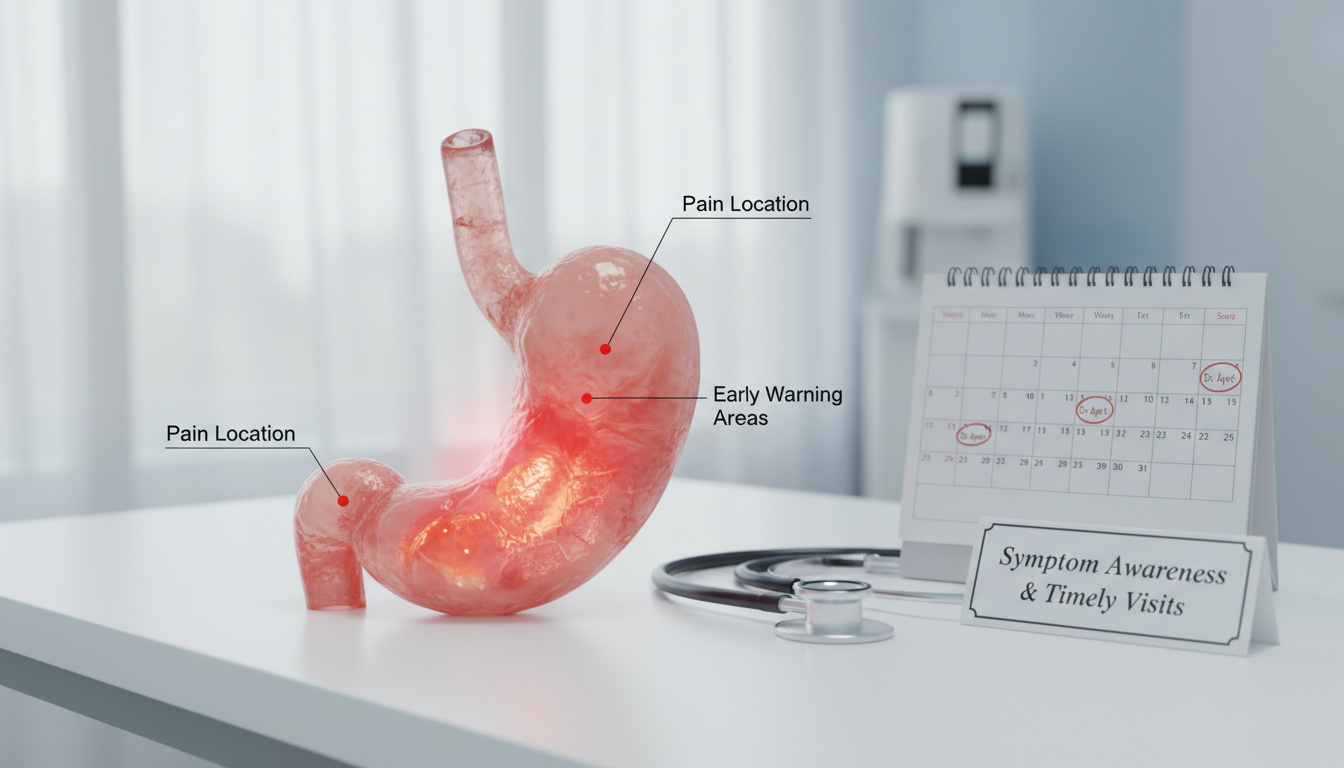
Stomach cancer often announces itself through complaints so ordinary that they are easily dismissed. Persistent heartburn, mild indigestion, and a vague sense of fullness after small meals frequently masquerade as benign digestive troubles, yet these same sensations represent the earliest warnings of gastric malignancy. The insidious nature of these symptoms contributes to delayed diagnoses, as the disease frequently advances silently before revealing unmistakable evidence of its presence.
Medical institutions consistently emphasize that early-stage stomach cancer produces sensations nearly identical to common gastrointestinal conditions. The Mayo Clinic notes that signs such as bloating, nausea, and heartburn often lead individuals to self-treat rather than seek professional evaluation. This diagnostic challenge underscores the importance of recognizing persistence and progression as distinguishing features of potentially malignant processes.
As the disease advances, the symptom profile shifts from subtle discomfort to pronounced physical decline. Unintentional weight loss, vomiting, and visible bleeding signal progression beyond early stages, while metastatic spread may introduce jaundice, ascites, or bone pain depending on the organs affected. Understanding these evolutionary stages enables more informed decisions about when medical consultation becomes urgent.
What Are the Early Signs of Stomach Cancer?
Recognizing the initial manifestations of gastric cancer requires attention to subtle changes in digestive function that persist despite dietary adjustments or over-the-counter remedies. These early indicators frequently overlap with benign conditions, making specific symptom recognition critical for timely intervention.
Digestive Discomfort
Persistent indigestion, heartburn, and bloating that resist standard antacid treatment may signal early malignancy rather than simple gastritis.
Upper Abdominal Pain
Dull, continuous discomfort in the epigastric region—above the navel and below the sternum—often represents the first localized warning sign.
Early Satiety
Feeling full after consuming only small amounts of food, accompanied by appetite loss, distinguishes malignant processes from benign overeating.
Systemic Signs
Unexplained fatigue, mild nausea, and burping frequently accompany early disease, particularly when occult bleeding causes iron-deficiency anemia.
Key Insights
- Early symptoms mimic benign conditions like gastritis or peptic ulcers, creating diagnostic confusion that delays specialist referral.
- Persistent indigestion lasting more than two to three weeks warrants medical evaluation despite the high prevalence of functional dyspepsia.
- Early satiety—feeling full quickly—represents a distinctive warning sign that differs from simple overeating or temporary bloating.
- Occult bleeding may manifest as fatigue or anemia before visible blood appears in stool, making blood tests critical for detection.
- Unintentional weight loss often indicates progression beyond early stages, though it can appear in localized disease with significant appetite suppression.
- Symptoms typically worsen gradually rather than appearing suddenly, with intensity increasing as tumors grow or spread.
- Many early-stage patients remain entirely asymptomatic, with diagnosis occurring incidentally during procedures for other conditions.
Symptom Frequency and Urgency
| Symptom | Typical Stage | Urgency Level |
|---|---|---|
| Heartburn/Indigestion | Early | Low (if transient) |
| Upper Abdominal Pain | Early to Advanced | Medium |
| Early Satiety | Early | Medium |
| Nausea | Early | Low |
| Unintentional Weight Loss | Early to Advanced | High |
| Black/Tarry Stools | Early to Advanced | High |
| Vomiting Blood | Advanced | Critical |
| Jaundice | Advanced (Metastatic) | Critical |
| Ascites | Advanced | High |
| Difficulty Swallowing | Variable | Medium |
Where Is Stomach Cancer Pain Located and What Does It Feel Like?
Pain localization provides crucial diagnostic clues that distinguish malignant gastric conditions from functional digestive complaints. Unlike the diffuse discomfort associated with stress or dietary indiscretion, cancer-related pain typically occupies a specific anatomical territory with distinct qualitative characteristics.
The Specific Location
Discomfort typically concentrates in the epigastric region—the upper abdomen situated directly below the sternum and above the navel. The Memorial Sloan Kettering Cancer Center describes this as the area where persistent dull aching or burning most commonly manifests. Some patients report radiation of discomfort toward the back or lower chest, though primary localization remains upper abdominal.
Character and Quality
The sensation differs qualitatively from the sharp, burning pain of acid reflux or the cramping of gastroenteritis. Patients typically describe a dull, persistent discomfort or heavy pressure that remains constant rather than intermittent. The University of Kansas Cancer Center notes that unlike ulcer pain, which may temporarily improve with eating or antacids, malignant pain typically persists or worsens after meals as the tumor obstructs or invades surrounding tissue.
Patterns Over Time
Symptom evolution provides perhaps the most critical diagnostic distinction. Benign digestive complaints typically fluctuate with diet, stress, and medication, often resolving completely before recurring. Malignant pain, by contrast, follows a trajectory of persistent presence and gradual intensification. The Binaytara Cancer Center emphasizes that pain lasting more than several weeks without improvement, particularly when accompanied by weight loss or early satiety, demands immediate medical evaluation rather than continued self-management.
Ulcer pain typically burns intermittently and may improve with food or antacids, whereas cancer-related pain remains constant and often worsens after eating. Persistent upper abdominal discomfort lasting more than two weeks without relief from standard remedies warrants professional assessment.
Advanced Symptoms of Stomach Cancer
As malignancy progresses beyond the gastric lining, symptomatology shifts from localized digestive complaints to systemic manifestations reflecting both local invasion and distant metastasis. These advanced indicators typically signal that the disease has reached stages requiring aggressive intervention.
Systemic Physical Decline
Progressive unintentional weight loss represents one of the most reliable indicators of advancing disease, often occurring despite adequate caloric intake as the malignancy alters metabolic function. Profound fatigue frequently accompanies weight loss, frequently stemming from iron-deficiency anemia caused by chronic occult bleeding into the gastric lumen. The Columbia University Department of Surgery identifies weakness and pallor as common presenting complaints in advanced cases, particularly among elderly patients.
Gastrointestinal Hemorrhage
Visible bleeding marks a critical transition in disease presentation. Hematemesis—vomiting blood or material resembling coffee grounds—indicates active upper gastrointestinal bleeding requiring emergency intervention. Melena, the passage of black, tarry stools, results from the digestion of blood as it transits the intestinal tract. The Houston Methodist Hospital emphasizes that either symptom demands immediate medical attention regardless of pain severity.
Metastatic Complications
Distant spread introduces site-specific symptoms that vary by affected organ. Hepatic metastasis typically causes right-sided abdominal pain, jaundice characterized by yellowing skin and sclera, and pruritus resulting from bile salt accumulation. Peritoneal involvement produces ascites—abnormal abdominal fluid accumulation causing visible distension and discomfort. Osseous metastasis generates localized bone pain, particularly in the spine, pelvis, and ribs. The Roswell Park Comprehensive Cancer Center notes that these symptoms indicate the disease has progressed beyond curative surgical options.
Vomiting blood, black tarry stools, or rapidly worsening abdominal pain require emergency medical evaluation. These symptoms indicate active bleeding or obstruction that cannot wait for routine appointments.
When Should You See a Doctor for Possible Stomach Cancer Symptoms?
Determining the appropriate threshold for medical consultation presents a significant challenge given the nonspecific nature of early gastric cancer symptoms. While transient digestive discomfort rarely indicates malignancy, specific temporal patterns and associated features mandate professional evaluation.
Alarm Symptoms Requiring Immediate Attention
Certain manifestations bypass the usual watchful waiting approach and demand urgent assessment. Hematemesis or melena indicates active gastrointestinal hemorrhage that may lead to hemodynamic instability without intervention. Rapidly progressive dysphagia, particularly with solid foods, suggests obstructive pathology requiring immediate imaging. The National Health Service advises that any palpable abdominal mass or ascites warrants same-day emergency department evaluation.
The Two-Week Threshold
For less acute presentations, duration serves as the primary discriminating factor. Persistent dyspepsia, upper abdominal discomfort, or early satiety lasting longer than two to three weeks despite dietary modifications and over-the-counter remedies requires formal medical assessment. This timeline distinguishes transient functional disorders from progressive organic pathology. The Cleveland Clinic emphasizes that unexplained weight loss exceeding five percent of body weight within six months, even without other symptoms, constitutes an independent indication for immediate evaluation.
Document symptom duration, severity, and any associated weight changes before consulting your physician. Bring a complete list of current medications and family history of gastrointestinal cancers to facilitate risk stratification.
How Do Stomach Cancer Symptoms Progress Over Time?
The clinical trajectory of gastric malignancy typically follows a pattern of gradual intensification rather than sudden onset. Understanding this temporal evolution helps distinguish malignant processes from self-limited functional disorders.
- Weeks 1–4: Subtle digestive changes including occasional indigestion, mild heartburn, and reduced appetite. Symptoms may fluctuate, leading to false reassurance.
- Months 1–3: Persistent upper abdominal discomfort becomes constant rather than intermittent. Early satiety develops, with patients feeling full after consuming minimal food. Unintentional weight loss typically begins during this phase.
- Months 3–6: Nausea increases in frequency, potentially accompanied by vomiting. Occult bleeding may cause iron-deficiency anemia, manifesting as profound fatigue and pallor. Black, tarry stools (melena) may appear.
- Advanced Stage: Severe, unremitting pain dominates. Hematemesis (vomiting blood), jaundice from hepatic involvement, abdominal distension from ascites, and site-specific pain from bone metastases indicate widespread disease.
What Symptoms Definitely Indicate Stomach Cancer?
No single symptom provides definitive proof of gastric malignancy, yet certain clinical features carry significantly higher predictive value than others. Distinguishing highly suspicious findings from nonspecific complaints guides appropriate medical urgency.
Established Indicators
- Melena (black, tarry stools) indicating upper GI bleeding
- Persistent upper abdominal pain unrelieved by antacids
- Early satiety accompanied by progressive weight loss
- Palpable abdominal mass or ascites
- Hematemesis (vomiting blood or coffee-ground material)
Nonspecific Findings
- Occasional heartburn or indigestion
- General bloating after large meals
- Mild, intermittent nausea
- Transient fatigue
- Burping or gas pains
Why Stomach Cancer Symptoms Are Often Missed
The diagnostic delay characteristic of gastric malignancy stems primarily from the remarkable similarity between cancerous symptoms and ubiquitous functional digestive disorders. Dyspepsia affects approximately twenty to thirty percent of the general population, creating a statistical probability that favors benign explanations when patients present with upper abdominal discomfort. This epidemiological reality, combined with the gradual onset of malignant symptoms, frequently results in prolonged intervals between symptom onset and diagnosis.
Cultural factors and healthcare accessibility further complicate timely recognition. Many individuals normalize persistent digestive complaints, attributing them to dietary choices, stress, or aging rather than underlying pathology. The Set Up a Limited Company – Essential Steps for 2025 UK approach to systematic health monitoring remains underutilized in personal healthcare management, where ad hoc symptom management often replaces structured medical surveillance.
The anatomical location of the stomach also contributes to diagnostic ambiguity. Deep within the abdominal cavity, the organ produces referred pain patterns that overlap with esophageal, pancreatic, and biliary disorders. Without visible external signs or acute pain crises, patients and providers alike may underestimate the significance of persistent dyspepsia until obstructive or bleeding complications force urgent intervention.
What Do Leading Medical Institutions Say?
Authoritative medical centers emphasize the nonspecific yet persistent nature of early gastric cancer presentations. Their clinical observations underscore the importance of temporal patterns over individual symptom severity.
Symptoms of stomach cancer are often vague and can include persistent stomach pain or discomfort, heartburn, bloating after small meals, and feeling full quickly. These early signs are frequently ignored because they mimic common digestive issues.
Memorial Sloan Kettering Cancer Center
Stomach cancer may not cause any signs or symptoms in its early stages because the tumour is small. Symptoms often appear once the tumour grows into surrounding tissues or organs. The most common symptoms include pain or discomfort in the abdomen, feeling full after small meals, and nausea.
Canadian Cancer Society (via Columbia Surgery)
Key Takeaways on Stomach Cancer Symptoms
Early gastric cancer manifests through persistent upper abdominal discomfort, early satiety, and indigestion that resists standard treatments—symptoms easily mistaken for benign conditions but distinguished by their constant presence and gradual worsening. Black tarry stools, vomiting blood, or jaundice indicate advanced disease requiring emergency intervention, while persistent symptoms lasting beyond two to three weeks merit prompt medical evaluation even without alarm features. Understanding these patterns enables differentiation from common disorders like ulcers or GERD, potentially reducing the diagnostic delays that complicate treatment outcomes. For those navigating complex administrative processes during health challenges, understanding Single Yellow Line Parking – UK Rules, Times & Fines Explained may help reduce unnecessary stress during hospital visits.
Frequently Asked Questions
What causes stomach cancer symptoms?
Symptoms arise from tumor growth within the gastric lining, causing mechanical obstruction, ulceration leading to bleeding, or invasion into surrounding nerves and organs. As tumors enlarge, they reduce stomach capacity, causing early satiety, or block passages, causing vomiting.
How is stomach cancer diagnosed from symptoms?
Persistent symptoms prompt endoscopic examination with biopsy for definitive diagnosis. Blood tests detect anemia from occult bleeding, while imaging studies determine disease extent. Alarm symptoms like melena trigger urgent endoscopy.
Can stomach cancer symptoms come and go?
Early symptoms may fluctuate in intensity, creating false reassurance. However, unlike benign conditions that resolve completely, malignant symptoms typically follow a trajectory of progressive worsening with shorter asymptomatic intervals over time.
Are stomach cancer symptoms constant?
While early symptoms may be intermittent, established disease typically produces constant pain or discomfort that persists regardless of meals, position changes, or over-the-counter medications. This persistence distinguishes cancer from functional disorders.
How long can you have stomach cancer without knowing?
The asymptomatic period varies significantly, ranging from months to years depending on tumor location and growth rate. Gastric cancers in the cardia may cause earlier swallowing difficulties, while body or antral tumors may grow substantially before causing symptoms.
Is stomach pain always present with stomach cancer?
Pain is not universal, particularly in early stages. Some patients experience only metabolic symptoms like fatigue and weight loss, while others present with bleeding complications without significant pain. The absence of pain does not exclude malignancy.

Oliver Jack Carter Cooper is a staff writer for EveningLedger.uk, covering UK news, politics, business and culture. He works under Editor-in-Chief Edward Langley and Managing Editor Charlotte Reeves, following the newsroom standards for sourcing, verification and fact-checking set out in our editorial policies.