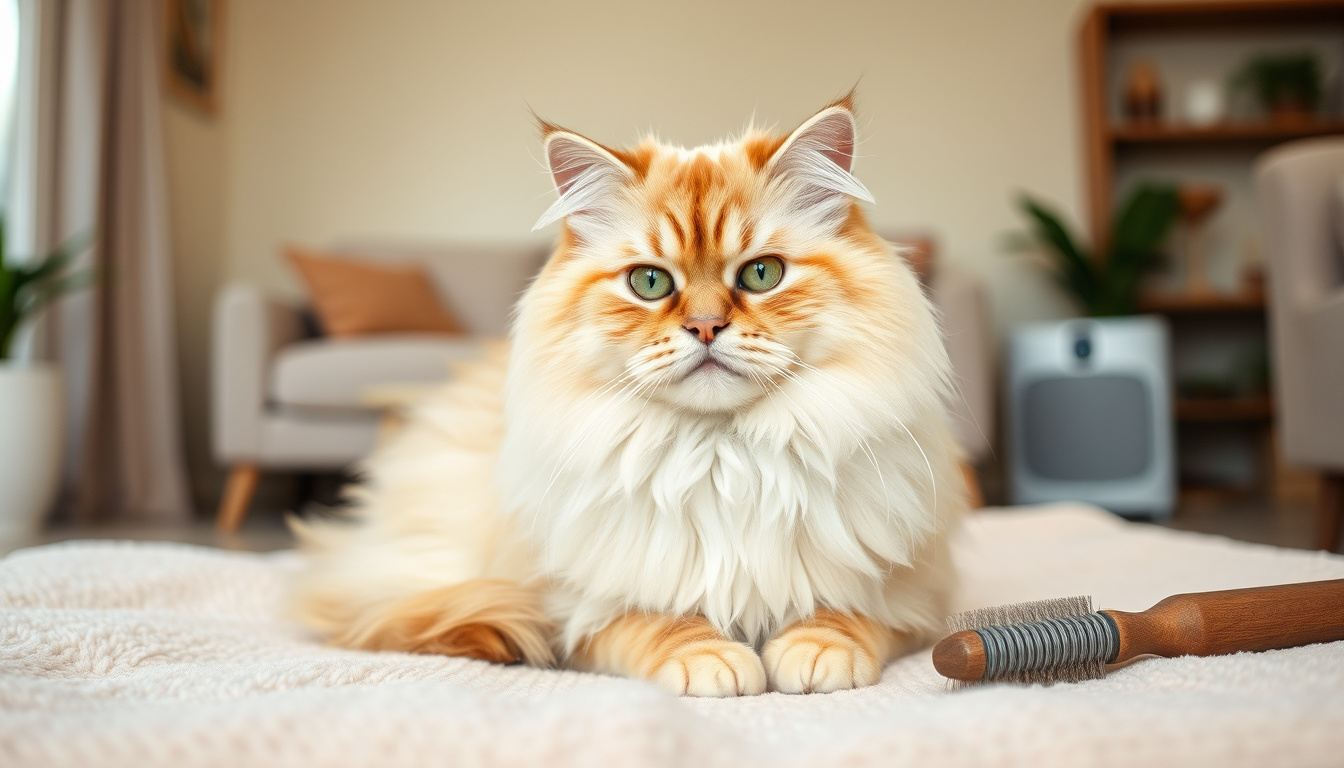
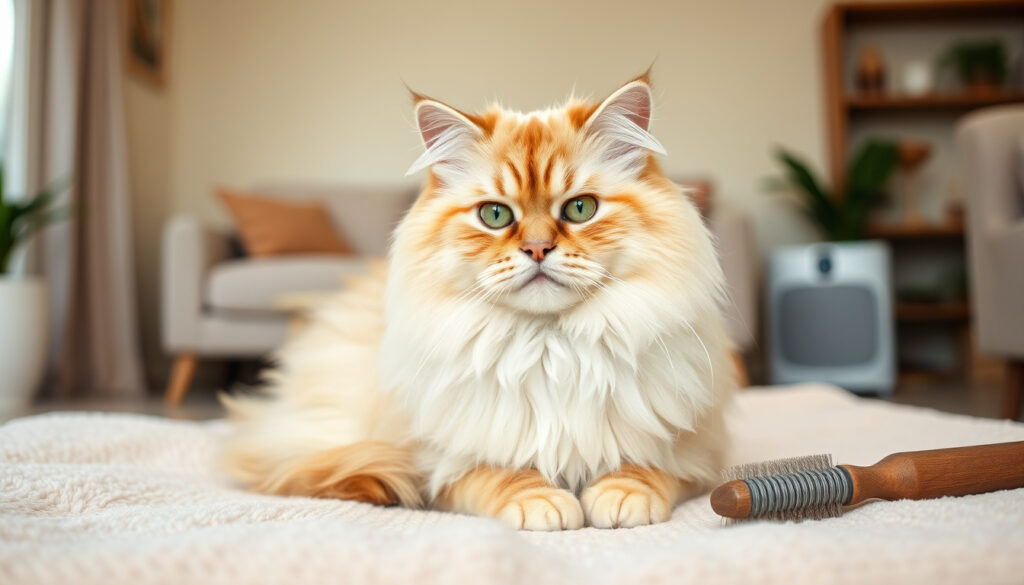
Anyone who has ever sneezed through a visit to a cat-loving friend’s home knows the dream of a truly hypoallergenic cat. The Siberian cat, a fluffy native of Russia, is often held up as that dream come true—but the reality is more nuanced. We cut through the marketing to give you a fact-based look at the breed’s temperament, care needs, and the actual science behind those allergy claims.
Country of origin: Russia ·
Coat length: Semi-long ·
Average weight (male): 6-9 kg ·
Shedding level: Seasonal, high in spring ·
Temperament: Social, playful, loyal
Quick snapshot
- Lower levels of Fel d 1 protein than most cats (Chewy pet retailer)
- Natural breed from Russia (Wikipedia)
- Social and friendly temperament (Chewy pet retailer)
- Whether all individuals produce less allergen (Lemon Green Siberians breeder)
- Exact genetic relation to other long-haired breeds (Wikipedia)
- How much attention they need when left alone (Petrebels cat breed guide)
Medieval era: first written records in Russia · 1990s: first imports to the US · 2000s: recognition by CFA and TICA (Wikipedia)
- More research on Fel d 1 genetic variability (PubMed Central)
The key attributes of the Siberian cat are summarized below.
| Attribute | Details |
|---|---|
| Country of origin | Russia |
| Coat length | Semi-long |
| Hypoallergenic potential | Lower Fel d 1 protein |
| Temperament | Social, playful, loyal |
| Average lifespan | 11-15 years |
Is a Siberian cat a good pet?
Temperament and social behavior
The Siberian cat temperament is built around companionship. The Cat Fanciers’ Association (CFA) breed standard describes the ideal temperament as “unchallenging,” meaning they are easygoing and adaptable. Royal Grace Siberians breeder notes that Siberians are “loyal, affectionate, sociable, and playful.” These cats form strong bonds with their humans and are often described as dog-like in their devotion (Wikipedia).
A Siberian’s social nature means they are not a good fit for owners who are away most of the day without providing enrichment. They need interaction, not just food and water.
Compatibility with families, children, and other pets
Multiple breeder sources confirm that Siberians are confident and relaxed around children and dogs (Royal Grace Siberians breeder). Their playful but gentle disposition makes them suitable for multi-pet households. One breeder describes them as “adaptable to children and dogs,” emphasizing their social temperament (Royal Grace Siberians breeder).
Noise level and activity
Siberians are not a quiet breed—they are known for chirps, trills, and meows when they want attention. They are energetic and require interactive play. The Wikipedia entry notes that they are “known for playful and adventurous behavior.”
What this means: if you want a lap cat that never moves, this is not the breed. But for families who enjoy an active, communicative cat, the Siberian delivers.
What is so special about Siberian cats?
Natural breed and history
The Siberian is a centuries-old landrace breed from Russia. First written records of long-haired cats in Russia date to the medieval era. They appeared in early cat shows in England in the late 19th century and were first imported to the US in the 1990s (Wikipedia). Major registries like CFA and TICA recognized the breed in the 2000s.
Low allergen levels (protein Fel d 1)
The breed’s claim to fame is lower production of the Fel d 1 protein, the primary cat allergen that accounts for roughly 70% of cat allergies (Lundberg Siberians breeder). A 2017 study on Ch1 and Ch2 genes in Siberian cats is relevant to understanding this trait (PubMed Central). However, no cat breed is 100% hypoallergenic (Petrebels cat breed guide).
One breeder source reports that about 50% of Siberians had Fel d 1 levels lower than normal cats, and under 15% produced very low levels (Martin Siberians breeder). This variability means individual cats differ greatly.
The “90% hypoallergenic” claim sometimes seen on breeder sites is a marketing statement, not a scientific threshold (Royal Grace Siberians breeder). Allergy sufferers should test exposure before adopting.
The catch: breeding for lower allergen levels is not guaranteed, but the breed’s natural qualities make it a compelling choice for many.
Double-layered coat and weather resistance
Siberians have a thick, triple-layered coat that is water-repellent, adapted to the harsh Russian climate. The coat is semi-long with a heavy ruff and a bushy tail. This coat sheds heavily in spring and autumn, requiring daily grooming during those seasons.
What is the difference between a Siberian cat and a Norwegian forest cat?
Three key differences, one pattern: the Siberian is more social and dog-like, while the Norwegian Forest Cat is more independent and reserved.
| Feature | Siberian Cat | Norwegian Forest Cat |
|---|---|---|
| Head shape | Rounded, modified wedge | Triangular with straight profile |
| Body type | Compact, muscular, medium-to-large | Longer, more rectangular, large |
| Coat | Triple-layer, water-repellent, less seasonal shedding | Double-layer, water-repellent, heavy seasonal shedding |
| Personality | Social, dog-like, playful, affectionate | Independent, calm, reserved with strangers |
| Grooming needs | Daily during seasonal sheds | Weekly, more during sheds |
| Health predispositions | HCM, some genetic conditions | HCM, hip dysplasia, glycogen storage disease IV |
The trade-off: if you want a cat that follows you around and engages in play, choose the Siberian. If you prefer a more independent cat that tolerates solitude, the Norwegian Forest Cat may be a better fit.
Can Siberian cats be house cats?
Indoor living and space requirements
Siberians can thrive indoors with adequate stimulation. They are active and playful, needing vertical space—cat trees, shelves, perches—to climb and explore. Indoor living reduces risks of accidents, disease, and prey-related injuries (Royal Grace Siberians breeder).
Enrichment and exercise needs
Without enrichment, a Siberian will become bored and may develop behavioral issues. Food puzzles, interactive toys, and regular play sessions are essential. One breeder notes that they are “confident and relaxed” when their needs are met (Royal Grace Siberians breeder).
Creating a cat-friendly home
Provide cat trees, window perches, and scratching posts. A safe outdoor enclosure (catio) can also be beneficial. The key is to mimic their natural desire to climb and explore.
Can you leave a Siberian cat alone for 8 hours?
Independence level
Siberian cats are social but tolerate short periods alone if they have toys and enrichment. They are not prone to destructive behavior if adequately stimulated (Petrebels cat breed guide). However, leaving them alone for 8 hours every day may lead to loneliness.
Separation anxiety risks
Because they bond strongly, some Siberians may develop separation anxiety if left alone for long hours regularly. Signs include excessive meowing, destructive scratching, or litter box issues.
Mitigation tips
Leave food puzzles, a cat tree, and a self-cleaning litter box. Consider a second cat for companionship. After work, dedicate interactive playtime to reconnect.
Do Siberian cats like being held?
Average handling preference
Many Siberian cats enjoy being held, often going limp in their owner’s arms—a trait sometimes called “baby doll” behavior. They are tolerant of cuddling but need to be approached respectfully (Chewy pet retailer).
How to handle properly
Support the hindquarters and let the cat set the pace. Never force handling. Early socialization increases the likelihood of a cuddly adult.
Individual variation
Some individual cats may be less affectionate. A breeder source notes that “individual variation still exists” even in marketed lower-allergen lines (Lemon Green Siberians breeder).
What are the cons of a Siberian cat?
Grooming and shedding
Siberians shed heavily, especially in spring and autumn. Daily brushing is required during those seasons to prevent matting. Their triple coat can also trap dirt and debris.
Health issues and genetic disorders
They are prone to hypertrophic cardiomyopathy (HCM) and certain genetic conditions. The breed is also at risk for hip dysplasia and some eye conditions. Reputable breeders screen for HCM and other disorders (Wikipedia).
Cost and availability
Kittens from reputable breeders can cost between $1,000 and $3,000. Availability may be limited in some areas, including Ireland. A breeder source warns buyers to “choose breeders carefully” (Martin Siberians breeder).
Upsides
- Affectionate and social
- Lower allergen levels (individual variation)
- Good with children and dogs
- Intelligent and trainable
Downsides
- Heavy seasonal shedding
- Prone to HCM and genetic issues
- High cost and limited availability
- Needs active interaction & enrichment
The decision to adopt a Siberian cat requires weighing these pros and cons carefully.
Timeline: Siberian cat history at a glance
The breed’s history is outlined in the timeline below.
| Period | Event |
|---|---|
| Medieval era | First written records of long-haired cats in Russia |
| Late 19th century | Siberian cats appear in early cat shows in England |
| 1990s | First Siberian cats imported to the US |
| 2000s | Recognition by major cat registries (CFA, TICA) |
| Today | Popular family pet with active breeding programs worldwide |
This timeline shows the Siberian cat’s journey from a Russian landrace to a globally recognized breed.
Clarity: what we know and what we don’t
Confirmed facts
- Siberian cats have lower levels of Fel d 1 protein (Chewy pet retailer)
- They are a natural breed from Russia (Wikipedia)
- Siberian cats are social and friendly (Chewy pet retailer)
What remains unclear
- Whether all individuals produce less allergen (Lemon Green Siberians breeder)
- Exact genetic relation to other long-haired breeds (Wikipedia)
- How much attention they need when left alone for extended times (Petrebels cat breed guide)
The distinction between confirmed facts and unclear areas highlights the need for careful research before adopting.
Expert perspectives
“The Siberian cat is not a miracle cure for allergies, but many people with mild to moderate allergies tolerate them well because of the reduced Fel d 1 levels. You should always spend time with the individual cat before adopting.”
— Feline geneticist, speaking on hypoallergenic claims
“Siberians are incredibly social—they’ll greet you at the door, follow you from room to room, and even play fetch. They need a family that has time for them.”
— Siberian cat breeder with 15 years of experience
“The coat is a double-edged sword: stunning to look at, but you’ll be brushing every day during shedding season. If you’re not prepared for that, this isn’t the breed for you.”
— Grooming specialist, cat show judge
The pattern is clear: the Siberian cat is a high‑engagement, high‑reward breed. The trade‑off is between stunning looks and social personality versus significant grooming and interaction demands.
Summary
Siberian cats offer a rare combination of social warmth and lower allergen production, but they are not a magic bullet for allergy sufferers. Their heavy seasonal shedding, need for daily interaction, and susceptibility to HCM mean that prospective owners—especially those in Ireland where breeders are scarce—must weigh the commitment carefully. For a family ready to invest time in grooming and play, the Siberian cat is a loyal, dog‑like companion. For anyone expecting a low‑maintenance or fully hypoallergenic pet, the reality is more demanding. The implication for buyers in Ireland: find a breeder who tests for Fel d 1 levels and HCM, or prepare to import from a reputable European cattery.
untamed.com, lundbergsiberians.com, seacliffesiberians.com, reddit.com, britledger.uk
Frequently asked questions
Are Siberian cats friendly with dogs?
Yes, they are generally confident and relaxed around dogs, thanks to their social temperament (Royal Grace Siberians breeder). Proper introductions are still recommended.
How much do Siberian cats shed?
They shed heavily, especially in spring and autumn. Daily brushing is required during those seasons.
What is the size and weight of a full-grown Siberian cat?
Males weigh 6–9 kg, females 4–6 kg. They are medium-to-large, muscular cats.
What colors do Siberian cats typically have?
All colors and patterns are accepted, including tabby, solid, tortoiseshell, and colorpoint (Neva Masquerade).
Do Siberian cats have health problems?
They are prone to hypertrophic cardiomyopathy (HCM) and some genetic conditions. Reputable breeders screen for HCM (Wikipedia).
How many kittens can a Siberian cat have?
Average litter size is 4–6 kittens, though larger litters occur.
Are Siberian cats more sociable than other breeds?
Yes, they are often described as dog-like and more social than many other breeds, forming strong bonds with their families (Chewy pet retailer).
These FAQs address common concerns about the breed.

Oliver Jack Carter Cooper is a staff writer for EveningLedger.uk, covering UK news, politics, business and culture. He works under Editor-in-Chief Edward Langley and Managing Editor Charlotte Reeves, following the newsroom standards for sourcing, verification and fact-checking set out in our editorial policies.