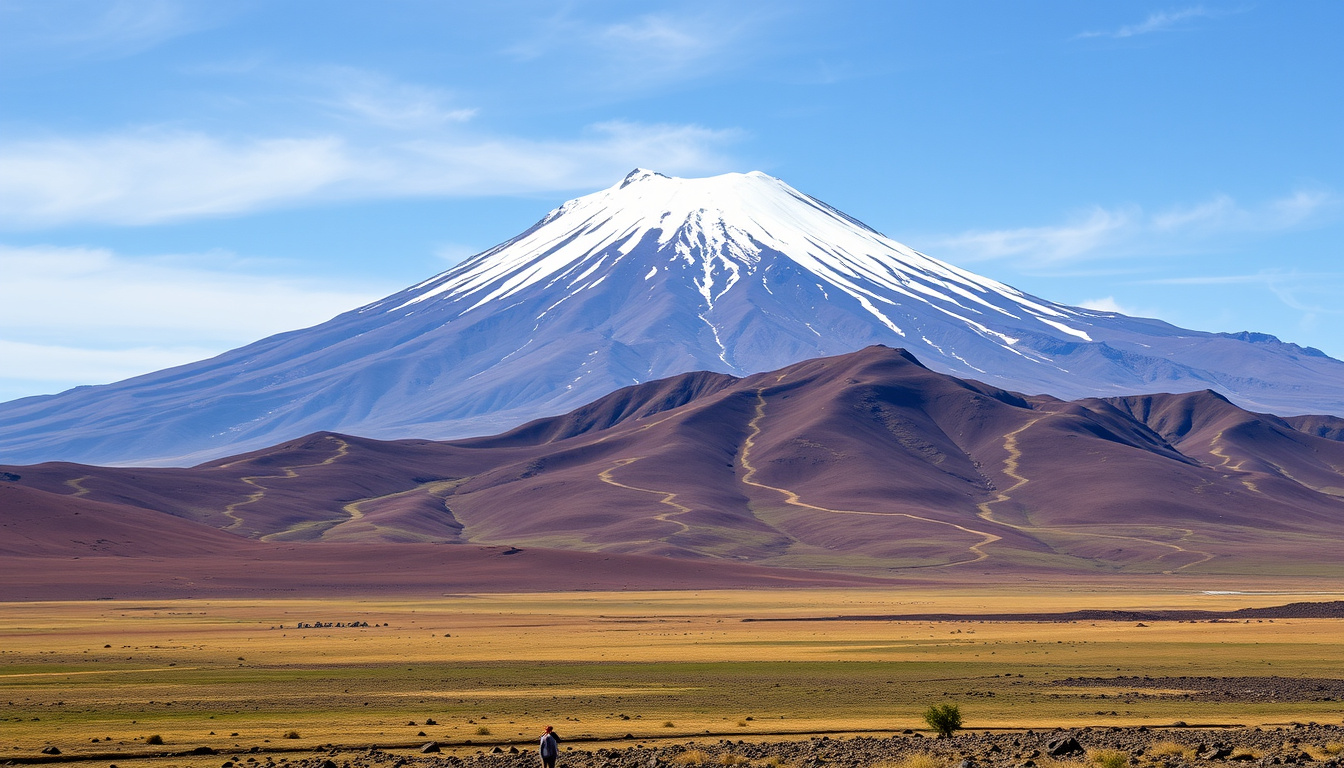
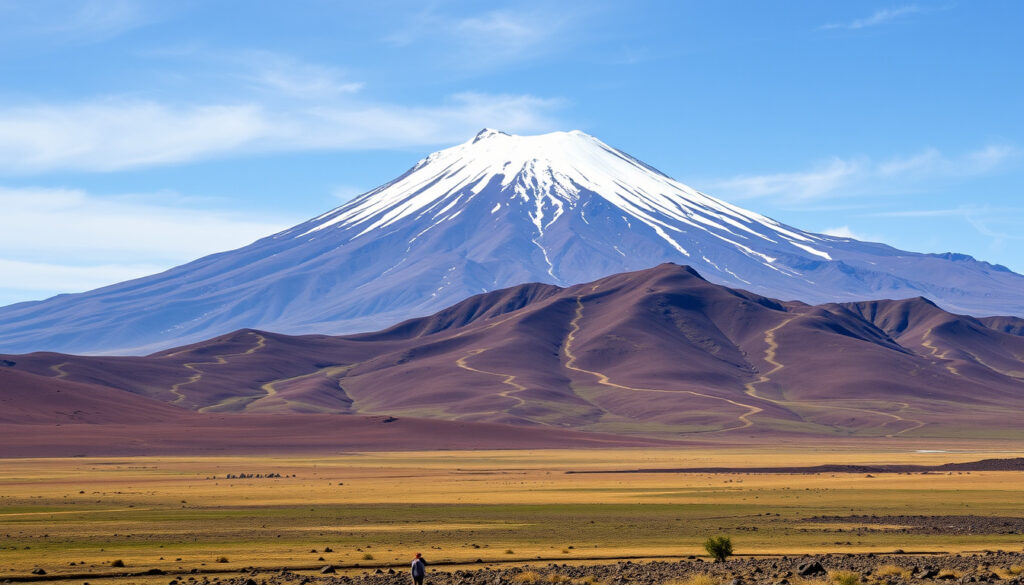
Few mountains capture the imagination like Kilimanjaro — the world’s highest freestanding peak and a bucket-list trek that doesn’t demand ropes or crampons, but that ‘walk-up’ reputation can be dangerous: altitude makes this climb a genuine physical challenge. We cut through the marketing to give you the real numbers on success rates, route difficulty, and what it takes to stand on the summit.
Height: 5,895 meters (19,341 feet) ·
Continent: Africa ·
Country: Tanzania ·
Volcanic status: Dormant (3 cones: Shira, Kibo, Mawenzi) ·
Typical climb duration: 5–9 days ·
Success rate (all routes): ~65%
Quick snapshot
- Height of 5,895 m (19,341 ft) – Wikipedia (open encyclopedia)
- Located in Tanzania near the Kenyan border – Ultimate Kilimanjaro (specialist operator)
- Dormant volcano with cones Shira, Kibo, Mawenzi – Climbing Kilimanjaro (route specialist)
- Exact annual death count varies by source; no centralized registry – Climb Kilimanjaro Guide (safety analysis)
- First recorded ascent in 1889 by Hans Meyer and Ludwig Purtscheller – KiliPeak (route guide)
- Annual visitors ~35,000; operators pushing longer itineraries for better summit odds – Altezza Travel (mountaineering logistics)
These key facts outline the mountain’s essential statistics.
| Attribute | Value |
|---|---|
| First recorded ascent | 1889 by Hans Meyer and Ludwig Purtscheller |
| Number of routes | 7 main routes |
| Highest camp | Kibo Hut (4,700 m / 15,420 ft) or Crater Camp (5,790 m / 19,000 ft) |
| Annual visitors | ~35,000 |
How difficult is it to climb Kilimanjaro?
The real obstacle isn’t steep rock — it’s thin air. Even elite athletes can fail if they underestimate altitude. The key metric: not your gym time, but your itinerary length.
Altitude challenges
- The main difficulty is altitude, not technical climbing. Oxygen pressure at the summit (5,895 m) is about 50% of sea level – Global Sumit Guide (metric analysis)
- Success rates vary dramatically by route and days spent on the mountain. 8‑day itineraries reach ~85% sumit success, while 5‑day itineraries drop to ~27% – Altezza Travel
- The “climb high, sleep low” approach repeatedly proves its value on routes like Lemosho and Machame – Olympus Adventure (route analysis)
Fitness requirements
- Kilimanjaro routes differ by ascent profile, crowding, and acclimatization time, not by technical climbing difficulty – Climb Kilimanjaro Guide
- Good cardiovascular endurance and leg strength are recommended; prior hiking experience helps but isn’t mandatory – Global Summit Guide
The implication: fitness matters, but itinerary choice matters more. A fit climber on a 5‑day schedule has worse odds than a moderately fit climber on an 8‑day schedule.
Can a beginner or an average person climb Mount Kilimanjaro?
Training tips for beginners
- No technical skills (ice axe, rope) required – the mountain is a walk, not a climb – Climb Kilimanjaro Guide
- Prior hiking experience is helpful but not mandatory; many first‑time high‑altitude trekkers succeed with proper preparation – Global Summit Guide
- Longer itineraries (7–9 days) are strongly recommended for beginners because they provide more acclimatization time – Climbing Kilimanjaro
Tour operators frequently advise against treating shorter routes as defaults for first‑time high‑altitude trekkers – Mount Kilimanjaro Climb (operator advice)
Medical considerations
- Altitude sickness can affect anyone regardless of fitness – Climb Kilimanjaro Guide
- Those with heart or respiratory conditions should consult a doctor before booking – general medical advice echoed by multiple operators.
- Proper hydration, gradual ascent, and recognising early symptoms (headache, nausea) are critical – Global Summit Guide
What this means: the question isn’t “Can I do it?” but “What is my plan to succeed?” A beginner with an 8‑day Lemosho itinerary has an excellent chance.
Where do you sleep when climbing Kilimanjaro?
Accommodation types per route
- Sleep is in tents or huts depending on the route – Climbing Kilimanjaro
- Marangu route uses huts; all other routes use tents – KiliPeak
- Higher camps are colder and more basic; temperatures can drop to -10°C at Kibo Hut – Climbing Kilimanjaro
Sleeping gear
- Operators provide tents, sleeping mats, and sometimes sleeping bags – check the rental list.
- A 4‑season sleeping bag rated to -15°C is highly recommended – common gear advice.
- For hydration at night, a reusable water bottle with a wide mouth is practical – Water Bottles: Reusable vs Bottled Guide (Evening Ledger)
The trade‑off: huts offer more comfort but fixed camp positions; tents let operators choose better acclimatization sites.
What is harder: Everest or Kilimanjaro?
Technical difficulty
- Everest requires advanced mountaineering skills (ice climbing, crevasses, using oxygen) – Climb Kilimanjaro Guide
- Kilimanjaro is a non‑technical trek; the Barranco Wall is steep but not a technical climb – Climbing Kilimanjaro
Altitude and logistics
- Everest base camp is 5,364 m; summit is 8,848 m — altitude is more extreme and supplemental oxygen is standard – Climb Kilimanjaro Guide
- Kilimanjaro summit at 5,895 m is high but survival is possible without bottled oxygen – Global Summit Guide
- Logistics: Everest expeditions take 2‑3 months; Kilimanjaro climbs take 5‑9 days – Climbing Kilimanjaro
Three routes, one pattern: Everest is orders of magnitude more demanding. Kilimanjaro is a serious trek; Everest is a full‑scale expedition.
| Aspect | Mount Kilimanjaro | Mount Everest |
|---|---|---|
| Height | 5,895 m (19,341 ft) | 8,848 m (29,029 ft) |
| Technical difficulty | Non‑technical (trek) | Extreme (ice, rock, crevasses) |
| Typical duration | 5–9 days | 2–3 months |
| Supplemental O₂ required? | No | Usually yes above 7,000 m |
| Summit success rate | ~65% overall; up to 95% on long routes | ~30% (varies by season) |
| Cost (approx.) | $2,000–$6,000 | $35,000–$100,000 |
| Fatalities per year | ~10 (estimated, no central registry) | ~5–10 |
Why this matters: if you’re comparing the two, Kilimanjaro is accessible to most healthy adults with proper planning; Everest is a professional undertaking.
Who should not climb Kilimanjaro?
Medical conditions
- Those with heart or respiratory conditions should consult a doctor – general medical consensus.
- Altitude sickness can strike anyone; prior acclimatization is the only real preventive – Climb Kilimanjaro Guide
- Pregnant individuals are generally advised against high‑altitude treks – common medical guidance.
Age and fitness limitations
- Many climbers in their 50s and 60s summit each year; age alone is not a barrier – Ultimate Kilimanjaro
- However, those with mobility issues or severe joint problems may struggle on steep, loose terrain.
- A medical check is recommended for anyone over 50 – Mount Kilimanjaro Climb
Fitness doesn’t guarantee success — altitude doesn’t care how strong your legs are. The shortest itineraries carry the highest risk of altitude‑related failure, even for experienced mountaineers – Climb Kilimanjaro Guide
The pattern: medical screening is essential; age is less important than overall health and itinerary choice.
What month is best to climb Kilimanjaro?
Dry seasons
- Best months: January–March and June–October – Climbing Kilimanjaro
- Wettest months: April, May, and November – Global Summit Guide
Temperature and precipitation
- Daytime temperatures at the base are 25–30°C; at the summit they drop to -10 to -20°C – Climbing Kilimanjjaro
- Rainfall can make trails slippery and reduce visibility; sunny days improve summit odds.
The implication: choose the dry months for the highest chance of clear summit day and lower risk of route closure.
Eight key specs, one pattern: each aspect favours longer itineraries. Height is fixed, but your success depends on how you approach it.
| Specification | Value |
|---|---|
| Height | 5,895 m (19,341 ft) |
| Location | Tanzania, East Africa |
| Volcanic type | Stratovolcano (dormant) |
| Number of cones | 3 (Shira, Kibo, Mawenzi) |
| First ascent | 1889, Me yer and Purtscheller |
| Main routes | 7 (Marangu, Machame, Lemosho, Rongai, Umbwe, Northern Circuit, Shira) |
| Highest camp | Kibo Hut at 4,700 m / Crater Camp at 5,790 m |
| Average annual climbers | ~35,000 |
Upsides
- No technical climbing skills needed – accessible to beginners
- Life‑changing experience with panoramic views
- Rletively affordable compared to other high peaks
- Multiple route options for different preferences
- High success rate on longer itineraries (up to 95%) – Climbing Kilimanjaro
Downsides
- Altitude sickness can affect anyone, regardless of fitness
- Short itineraries have low success rates (~27%) – Altezza Travel
- Crowded on popular routes (Machame, Marangu)
- Cold and uncomfortable high‑altitude camps
- Cost can be significant ($2,000–$6,000) with no guarantees
Steps to prepare for your Kilimanjaro climb
- Choose your route and itinerary length. Opt for at least 7 days; 8‑9 days dramatically improve odds – Altezza Travel. The Northern Circuit and Lemosho are top beginner picks – Climbing Kilimanjaro.
- Start cardiovascular training. Walk, hike, run, or cycle 3‑4 times per week for 3‑6 months. Include stair climbing with a weighted pack.
- Acclimatisation strategy. Choose a route with the “climb high, sleep low” profile (e.g., Lemosho or Machame) – Global Summit Guide.
- Gather quality gear. Invest in a 4‑season sleeping bag, waterproof boots, layers, and a reusable water bottle. For hydration on the mountain, a reliable bottle matters.
- Prepare mentally. Summit night is a gruelling 12‑14 hour push. Expect fatigue, cold, and altitude discomfort. Mental resilience is half the battle.
For the average person considering a Kilimanjaro climb, the choice is clear: invest in a longer itinerary and proper training, or risk joining the 35% who don’t make the summit.
Related reading: Water Bottles: Reusable vs Bottled Guide · Cough Medicine: OTC Options, Home Remedies & Red Flags
snowafricaadventure.com, trusttourstz.com, mountkilimanjaroclimb.com, globalsummitguide.com, kilimanjaroparktanzania.com
Frequently asked questions
How many people climb Kilimanjaro each year?
Approximately 35,000 people attempt the climb annually – Ultimate Kilimanjaro.
Is Kilimanjaro a volcano?
Yes, it is a dormant stratovolcano with three cones: Shira, Kibo, and Mawenzi – Wikipedia.
What is the success rate for climbing Kilimanjaro?
Overall ~65%, but it ranges from ~27% on 5‑day itineraries to ~95% on the 9‑day Northern Circuit – Altezza Travel and Climbing Kilimanjaro.
Do I need a guide to climb Kilimanjaro?
Yes, Tanzanian law requires all climbers to be accompanied by a licensed guide – Mount Kilimanjaro Climb.
How much does it cost to climb Kilimanjaro?
Prices range from $2,000 to $6,000 depending on route, operator, and itinerary length – Climbing Kilimanjaro.
“Mount Kilimanjaro is a dormant volcano in Tanzania with three volcanic cones: Kibo, Mawenzi, and Shira. It is the highest mountain in Africa and the highest single free-standing mountain above sea level in the world.”
Wikipedia – Mount Kilimanjaro
“8-day itineraries achieve an 85% summit success rate, while 5-day itineraries see only 27%.”
Altezza Travel – success rate analysis

Oliver Jack Carter Cooper is a staff writer for EveningLedger.uk, covering UK news, politics, business and culture. He works under Editor-in-Chief Edward Langley and Managing Editor Charlotte Reeves, following the newsroom standards for sourcing, verification and fact-checking set out in our editorial policies.