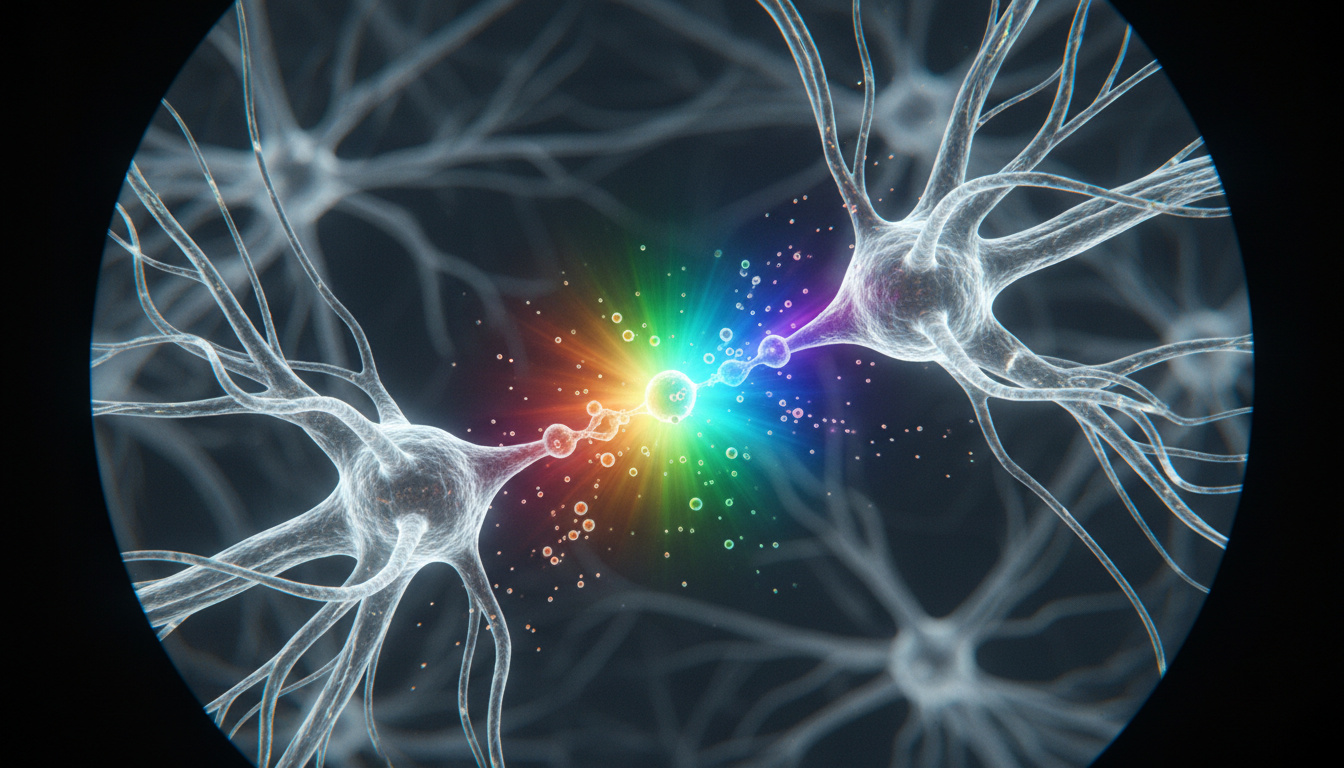
The junction between two neurones is called a synapse. This microscopic structure serves as the fundamental unit of communication within the nervous system, enabling the transmission of electrical or chemical signals from one cell to another.
Without synapses, the complex networks that govern thought, movement, and sensation would cease to function. These specialized connections allow the brain to process information, form memories, and coordinate bodily functions through intricate patterns of neuronal firing.
Understanding synaptic architecture reveals how the nervous system achieves its remarkable speed and precision. From the gap between cells to the molecular machinery that bridges it, each component plays a critical role in maintaining neural circuitry throughout the body.
What is the name of the junction between two neurones?
The junction between two neurones is universally termed a synapse. Derived from the Greek word synapsis meaning “clasp,” this term describes the functional connection where one neurone communicates with another target cell—whether another neurone, muscle fiber, or glandular tissue.
- Synapses enable unidirectional communication in chemical types, ensuring signal clarity and directionality essential for neural circuits.
- The synaptic cleft measures just 20-50 nanometers in chemical synapses, requiring neurotransmitters to bridge this microscopic divide.
- Electrical synapses allow bidirectional flow through gap junctions, enabling rapid synchronization between connected cells.
- Neurotransmitters serve as chemical messengers stored in vesicles until calcium influx triggers their release into the cleft.
- Synaptic plasticity underpins learning and memory, allowing connections to strengthen or weaken based on activity patterns.
- The neuromuscular junction represents a specialized synapse type where motor neurones meet muscle fibers at end plates rich in receptors.
- Synaptic dysfunction contributes to neurological disorders, with research linking impaired transmission to conditions like Alzheimer’s disease.
| Aspect | Details |
|---|---|
| Term | Synapse |
| Location | Between axon terminal and dendrite/cell body |
| Types | Chemical (most common), Electrical |
| Key Process | Neurotransmitter release across cleft |
| Discovery Year | 1897 (Sherrington) |
| Gap Width | 20-50 nm (chemical), 1.2-2.0 nm (electrical pores) |
| Directionality | Unidirectional (chemical), Bidirectional (electrical) |
| Transmission Speed | ~0.5-1 ms delay (chemical), minimal delay (electrical) |
| Prevalence | Chemical synapses dominate vertebrate nervous systems |
| Key Proteins | SNAREs, synaptotagmin, connexins |
How do neurones communicate across the junction?
Signal transmission across the synapse involves a precisely orchestrated sequence of electrical and chemical events. When an action potential reaches the end of a presynaptic neurone, it triggers the release of signaling molecules that cross the junction to influence the postsynaptic cell.
Signal transmission process
The process begins when depolarization opens voltage-gated calcium channels in the presynaptic terminal. Calcium influx causes synaptic vesicles to fuse with the membrane via SNARE proteins and synaptotagmin, releasing neurotransmitters into the cleft. These molecules diffuse across the 20-40 nanometer gap and bind to receptors on the postsynaptic membrane, opening ion channels that either excite or inhibit the receiving neurone.
Role of neurotransmitters
Neurotransmitters serve as the chemical messengers of synaptic communication. At the neuromuscular junction, acetylcholine triggers muscle contraction by binding to nicotinic receptors. Other neurotransmitters create excitatory postsynaptic potentials (depolarization via sodium influx) or inhibitory postsynaptic potentials (hyperpolarization via chloride influx), determining whether the target cell fires its own action potential.
Chemical synapses introduce a delay of approximately 0.5-1 milliseconds due to neurotransmitter release and diffusion, while electrical synapses transmit signals almost instantaneously through direct ion flow.
What is the synaptic cleft and what are the main parts of a synapse?
A synapse comprises three essential components: the presynaptic terminal, the synaptic cleft, and the postsynaptic membrane. This architecture creates a specialized microenvironment where precise communication occurs between cells.
Synaptic cleft explanation
The synaptic cleft is the physical gap separating the presynaptic and postsynaptic membranes. In chemical synapses, this 20-50 nanometer space contains extracellular fluid through which neurotransmitters diffuse. At the neuromuscular junction, the cleft measures approximately 50 nanometers and houses acetylcholinesterase, the enzyme responsible for breaking down acetylcholine to terminate the signal.
Pre-synaptic and post-synaptic components
The presynaptic terminal contains synaptic vesicles filled with neurotransmitters ready for release. The postsynaptic membrane features specialized receptor proteins that recognize specific neurotransmitters. In electrical synapses, gap junctions formed by connexon proteins create direct cytoplasmic channels approximately 1.2-2.0 nanometers in diameter, allowing ions and small molecules like ATP to pass directly between cells.
What types of synapses exist and where are they located?
Synapses fall into two primary categories based on their transmission mechanism. Chemical synapses dominate the vertebrate nervous system, while electrical synapses provide rapid synchronization in specific neural circuits.
Chemical vs electrical synapses
Chemical synapses rely on neurotransmitter release across the cleft, offering unidirectional signaling with modulatory capacity. Electrical synapses utilize gap junctions composed of connexin proteins, enabling bidirectional ion flow and metabolic coupling between cells. While chemical transmission allows for signal amplification and plasticity, electrical transmission provides speed and synchrony essential for escape responses and rhythmic activity.
Chemical synapses constitute the vast majority of synapses in the human nervous system, while electrical synapses appear in specific locations requiring rapid, synchronized firing, such as cardiac muscle and certain retinal cells.
Neurotransmitter examples
Acetylcholine functions as the primary neurotransmitter at neuromuscular junctions, exciting skeletal muscle fibers. ATP and second messengers can also pass through gap junctions in electrical synapses. The specific neurotransmitter determines whether the synapse generates excitatory or inhibitory postsynaptic potentials.
Location in nervous system
Synapses occur throughout the central and peripheral nervous systems. They form between axon terminals and dendrites (axodendritic), cell bodies (axosomatic), or other axons (axoaxonic). The neuromuscular junction represents a specialized synapse between motor neurones and muscle fibers, featuring junctional folds rich in receptors.
Signal termination at chemical synapses requires rapid removal of neurotransmitters through enzymatic degradation, reuptake transporters, or diffusion to prevent continuous stimulation of the postsynaptic cell.
How has our understanding of the synapse developed over time?
-
: Sir Charles Sherrington coins the term “synapse” from the Greek synapsis, describing the functional junction between neurones based on reflex studies.
— NCBI -
: Otto Loewi demonstrates chemical transmission through experiments on frog hearts, identifying what he called “vagusstoff”—later recognized as acetylcholine.
— NCBI -
: Otto Loewi shares the Nobel Prize with Henry Dale for their discoveries relating to chemical transmission of nerve impulses.
— NCBI -
: Research establishes the role of synaptic plasticity in learning and memory, with studies linking synaptic dysfunction to neurodegenerative diseases.
— MSU Neuroscience
What is definitively established about synapses versus what remains uncertain?
| Established Facts | Areas of Ongoing Research |
|---|---|
| The junction between neurones is universally termed a “synapse.” | Precise mechanisms of long-term synaptic plasticity in complex neural networks. |
| Chemical synapses use neurotransmitters; electrical synapses use gap junctions. | Full diversity of neurotransmitter types and their specific receptor interactions. |
| Synaptic transmission involves Ca²⁺ influx triggering vesicle fusion. | Detailed pathophysiology of synaptic failure in neurodegenerative diseases. |
| The synaptic cleft measures 20-50 nm in chemical synapses. | Dynamic structural changes during synaptic remodeling. |
Why do synapses matter in neuroscience and human health?
Synapses form the foundation of neural computation, enabling the brain to process sensory information, execute motor commands, and store memories. The ability of synapses to strengthen or weaken over time—synaptic plasticity—underlies learning and adaptation throughout life.
Synaptic dysfunction appears central to numerous neurological conditions. In Alzheimer’s disease, synapse loss correlates with cognitive decline. Disorders like myasthenia gravis specifically target the neuromuscular junction, impairing communication between nerves and muscles. Understanding synaptic architecture provides essential insights into both normal brain function and therapeutic targets for neurological disease.
What do authoritative sources say about synaptic structure?
“A synapse is the junction between neurons (or between a neuron and another cell like muscle) that enables signal transmission, occurring as either chemical synapses (using neurotransmitters across a synaptic cleft) or electrical synapses (via direct ion flow through gap junctions).”
— Michigan State University Neuroscience
Research from the Kenhub Library confirms that chemical synapses predominate in vertebrate nervous systems, utilizing neurotransmitter release across a 20-50 nanometer cleft. Additional validation comes from Khan Academy, which provides detailed visual explanations of synaptic transmission mechanisms including vesicle fusion and receptor binding.
Related resource: Synapse Explained
What is the essential fact about neuronal junctions?
The junction between two neurones is called a synapse. This specialized structure enables communication through chemical or electrical transmission, featuring a presynaptic terminal, a postsynaptic membrane, and the synaptic cleft between them. Whether facilitating rapid reflexes or complex cognitive processes, synapses remain the critical interface where neural information transfers from one cell to the next.
For additional health information: Symptoms of Stomach Cancer
Frequently asked questions
What role does calcium play in synaptic transmission?
Calcium influx triggers vesicle fusion. When action potentials open voltage-gated calcium channels, the resulting calcium binds synaptotagmin and SNARE proteins, causing synaptic vesicles to release neurotransmitters into the cleft.
How quickly do signals cross the synaptic cleft?
Chemical synapses transmit signals in approximately 0.5-1 milliseconds. Electrical synapses operate almost instantaneously through direct ion flow via gap junctions, enabling rapid synchronization between connected cells.
What is the difference between excitatory and inhibitory synapses?
Excitatory synapses depolarize the postsynaptic membrane through sodium influx, increasing the likelihood of action potential firing. Inhibitory synapses hyperpolarize the membrane through chloride influx, decreasing firing probability.
What are gap junctions composed of?
Gap junctions consist of connexon proteins, each comprising six connexin subunits arranged in a hexameric structure. These create pores approximately 1.2-2.0 nanometers in diameter, allowing direct cytoplasmic connection between cells.
Which diseases specifically target synapses?
Myasthenia gravis attacks neuromuscular junctions, impairing muscle contraction. Alzheimer’s disease involves progressive synapse loss. Lambert-Eaton syndrome affects presynaptic calcium channels, disrupting neurotransmitter release.
How is the signal terminated at a chemical synapse?
Enzymes like acetylcholinesterase degrade neurotransmitters, while reuptake transporters recycle them into the presynaptic terminal. Diffusion also clears remaining molecules from the cleft to prevent sustained receptor activation.
Can synapses transmit signals in both directions?
Chemical synapses are strictly unidirectional, transmitting from presynaptic to postsynaptic cells only. Electrical synapses allow bidirectional transmission through gap junctions, enabling synchronized activity between connected neurones.

Oliver Jack Carter Cooper is a staff writer for EveningLedger.uk, covering UK news, politics, business and culture. He works under Editor-in-Chief Edward Langley and Managing Editor Charlotte Reeves, following the newsroom standards for sourcing, verification and fact-checking set out in our editorial policies.