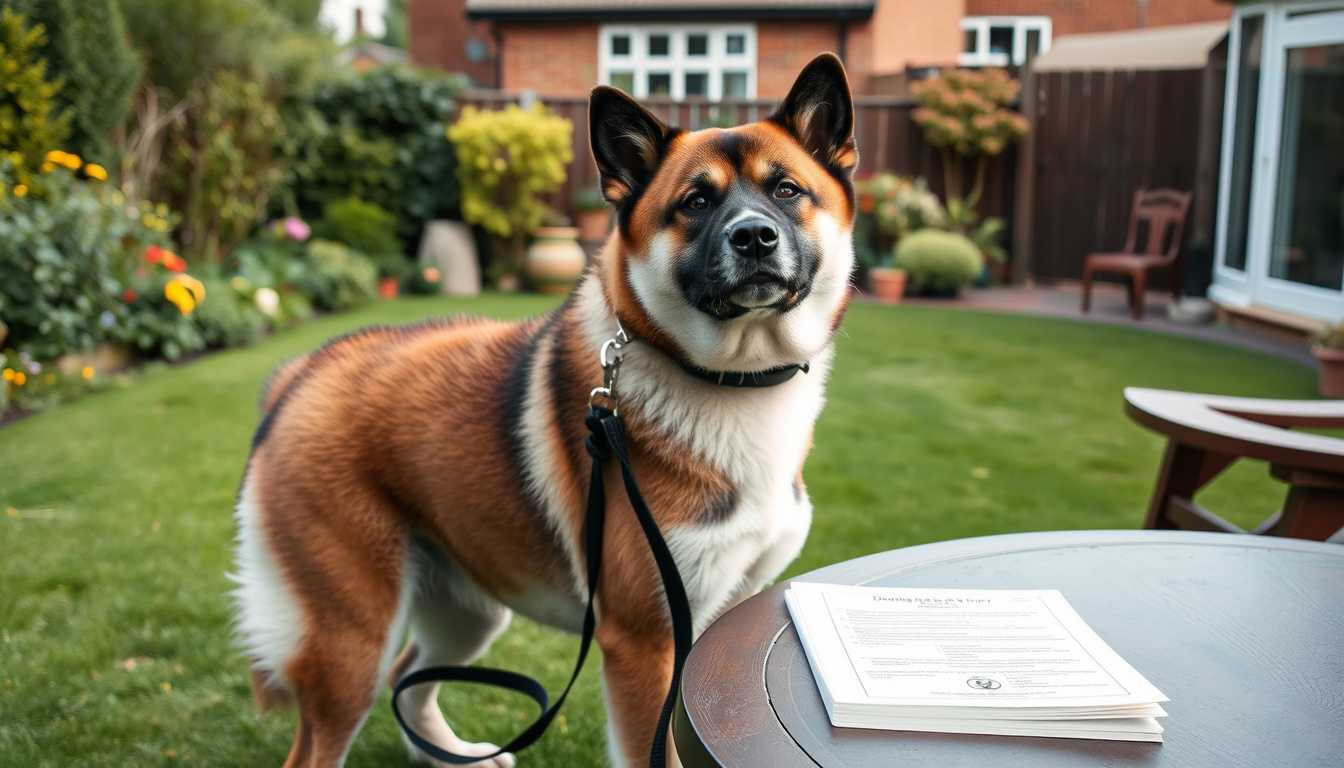
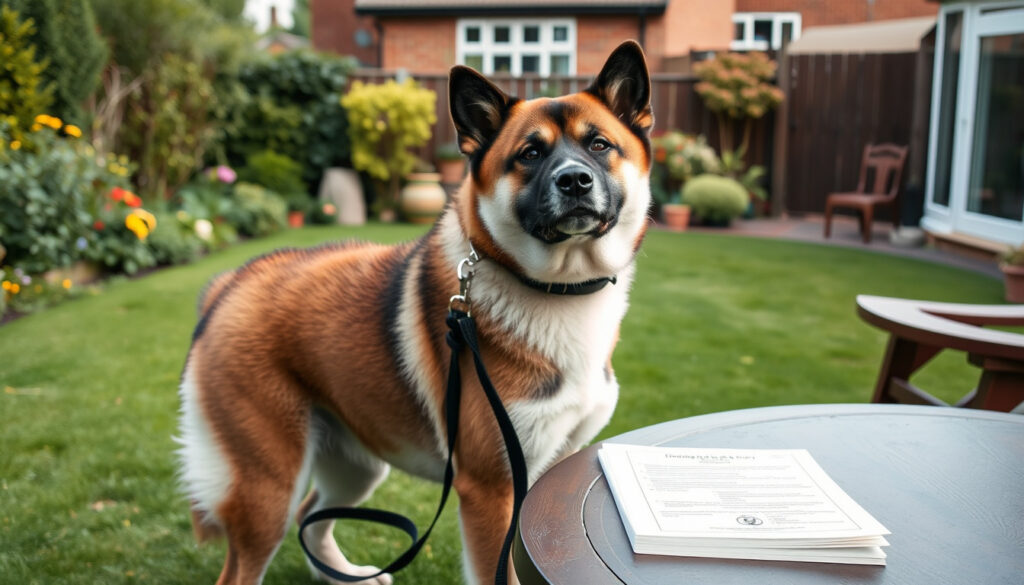
People usually meet an Akita the way you meet a celebrity: you’ve heard the warnings, and then you’re standing in front of a calm, bear-like dog with a curled tail and a stare that doesn’t rush; Japan’s Akita doesn’t crave strangers’ approval, and that reserve is exactly what makes the breed both admired and misunderstood. This guide weighs the evidence on aggression, family fit, and UK ownership so you can decide based on data, not headlines.
Average male height: 26–28 inches (66–71 cm) · Average male weight: 100–130 lbs (45–59 kg) · Life expectancy: 10–12 years · Country of origin: Japan · (American Kennel Club, US breed registry)
Quick snapshot
- The American Kennel Club has recognized the Akita since 1972 and describes the breed as dignified, courageous, and loyal (American Kennel Club, US breed registry).
- Training can reduce reactive responses, but the Akita Club of America (national breed club) says inherited tendencies cannot be removed.
- In the 1930s, Hachiko’s story turned the Akita into a national symbol of loyalty in Japan (Wikipedia, collated breed history).
- Before adopting in the UK, check council, landlord, and insurer rules; national legality is not the only filter (UK Government, official dog-control guidance).
Nine measurements, one pattern: Akitas are heavy-boned, cold-weather dogs with a lifespan shorter than many smaller breeds. These figures follow the American Kennel Club breed profile.
| Measure | Value |
|---|---|
| Height (male) | 26-28 inches (66-71 cm) |
| Height (female) | 24-26 inches (61-66 cm) |
| Weight (male) | 100-130 lbs (45-59 kg) |
| Weight (female) | 70-100 lbs (32-45 kg) |
| Coat | Double coat, short and thick |
| Colors | White, sesame, red, brindle; black is rare but accepted |
| Life span | 10-12 years |
| Origin | Japan |
| AKC recognition | 1972 |
How aggressive is an Akita?
The short answer is that human-directed aggression is not the breed’s default. The Royal Kennel Club (UK breed registry) standard describes the Akita as dignified, courageous, and aloof, and notes a tendency to show dominance over other dogs.
That combination—reserve plus dominance—is where most behavioural problems come from.
Akita temperament and behavior
- The Akita Club of America (national breed club) says Akitas instinctively guard the home, need extensive socialization, and can be stubborn and wilful with first-time owners.
Aggression vs protectiveness
An Akita is typically not aggressive toward people. The real risk is other dogs: the Akita Club of America (national breed club) identifies a genetic predisposition toward intolerance, especially of same-sex dogs, and a strong prey drive from the breed’s hunting background.
That matters because an Akita can be calm with visitors and still lunge at a dog across the street. Management is part of ownership, not a sign of failure.
Training and socialization
- Socialization should start in puppyhood and continue through adolescence.
- Obedience training should be consistent but fair; harsh methods tend to strengthen a stubborn dog’s resistance.
The implication: an Akita’s aggression risk is situational and mostly dog-directed. If a household cannot control a strong, same-sex-intolerant dog, the breed will expose that gap quickly.
Is Akita a good family dog?
Akitas can be deeply loyal family pets, but loyalty and easy-going are different things. The PDSA (UK veterinary charity) describes them as incredibly loyal family pets that need firm handling.
The key is matching the dog’s temperament to the household’s daily rhythm.
Akita with children
- Best fit: older children who can read a dog’s signals.
- Not ideal: households expecting a bouncy, instant-playmate dog.
Akita with other pets
- Same-sex pairs are risky; the genetic intolerance cited in the aggression section makes single-dog homes the simpler choice.
- Small pets can trigger prey drive, so introductions with cats and smaller animals need to be managed.
Akita vs Shiba Inu: Which is better for families?
- Akita: a large guarder with a calm, protective default.
- Shiba Inu: a more compact, animated companion with a stronger independent streak.
The pattern: an Akita family dog is possible, but it comes with rules. Households that commit to supervision and neutral introductions get a different dog than those that don’t.
Can you own an Akita in the UK?
Yes, you can own an Akita in the UK. The breed is not on the banned list under the Dangerous Dogs Act 1991 (Wikipedia, collated legal history), and the Royal Kennel Club (UK breed registry) confirms that no additional breed-specific restrictions currently apply to the Akita in its listings.
But legal ownership is not the same as unrestricted ownership. Under UK law, any dog that is dangerously out of control in a public or private place can be seized, and the owner can face prosecution (UK Government, official dog-control guidance).
Legal doesn’t mean uncomplicated: an Akita can be legitimate to own and still be a hard no for a landlord, an insurer, or a neighbour’s small dog.
UK legislation and restricted breeds
- The law focuses on a dog’s behaviour, not just its breed.
- Local tenancy agreements can restrict Akitas even when national law does not.
Licensing and insurance
- There is no national Akita licence, but many insurers ask about breed and some exclude it.
- Some landlords add “dangerous breed” clauses even where the law does not.
Responsible ownership
- Keep the dog under control in public; a lead or muzzle can be wise in busy areas.
- Invest in socialization before problems appear.
The implication: responsible ownership is not optional with this breed.
Why are Akitas a restricted breed?
Restrictions exist because of what an Akita can do, not what every Akita does. Breed-specific legislation often follows high-profile incidents and concerns about size, strength, and bite severity.
The UK’s approach is behaviour-based, but that does not stop insurers, landlords, or other countries from applying blanket rules.
Historical incidents
- A few high-profile attacks shape public perception even when national data do not list Akitas separately.
- Hachiko’s fame creates a counter-narrative of loyalty, which is why the breed is simultaneously loved and feared.
Breed-specific legislation (BSL)
- BSL targets breeds or types judged risky; the UK takes a behaviour-based approach under the Dangerous Dogs Act.
- Other jurisdictions apply outright bans, so restricted status varies by location.
Misunderstanding vs evidence
- Breed-club evidence distinguishes guarding from aggression.
- Size and strength make the Akita an easy target for blanket rules even when individual temperament is sound.
The catch: restrictions are a risk-management tool, not a verdict on every dog. The Akita’s size and strength make it a target for rules even when a particular dog is gentle.
How many attacks have been by Akitas?
The honest answer is that no one knows the global number. Breed-specific attack totals are not centrally published in the UK, and international totals rely on media reports, which often misidentify breeds.
What data exist point in one direction: in US fatal-attack tallies, pit bull-types lead; Akitas appear but far below that level (Wikipedia, collated breed data).
Reported attack data
- Fatal dog attacks in the US: Akitas show up in lists, but not near the top.
- Nonfatal bites are rarely tracked by breed, so trends are unreliable.
Data limitations
- Media breed identification is inconsistent.
- Attack counts do not include provocation, training history, or owner behaviour.
Comparison with other breeds
- Akitas are far less numerous than many breeds, so raw counts understate risk per dog.
- What data exist point to same-sex dog aggression more than stranger attacks.
Why this matters: a breed label alone cannot predict behaviour. The more useful question is the individual dog’s socialization, history, and management.
Akita vs Shiba Inu: side by side
Three rows, one pattern: the Akita is a heavier guarder, while the Shiba is a compact dog with a more outgoing breed standard.
| Trait | Akita | Shiba Inu |
|---|---|---|
| Temperament (breed standard) | Dignified, courageous, and aloof | Lively, friendly, bright, active, keen, and alert (Royal Kennel Club, UK breed registry) |
| Size | Large; around 100-130 lbs is typical | Small-to-medium; considerably lighter |
| Household fit | Best with experienced owners and supervised routines | More portable and adaptable, but still strong-willed |
The trade-off: an Akita gives you a calm, powerful guardian; a Shiba gives you a smaller, more animated dog with many of the same independent instincts. The Akita’s size magnifies the consequences of poor training.
Akita breed specifications
Six categories, one pattern: this is a powerful, cold-weather breed with a heavy body and centuries of guarding work behind it.
| Characteristic | Akita | Why it matters |
|---|---|---|
| Frame | Heavy-boned and powerful | Size amplifies training mistakes |
| Coat | Short, thick double coat | Seasonal shedding is heavy |
| Temperament | Dignified, aloof, loyal | Not a dog that charms strangers |
| Social style | Dominant with same-sex dogs | Same-sex households need extra management |
| Lifespan | 10-12 years | Long-term commitment on a big dog |
| Origin | Japan; hunting and guarding | Instincts still show up at home |
The implication: if you want a low-maintenance lapdog, keep looking. This is a serious dog shaped by serious work.
Akita pros and cons
Upsides
- Deeply loyal to their family.
- Quiet and calm indoors.
- Naturally protective; a strong deterrent.
Downsides
- Strong same-sex dog intolerance.
- Needs an experienced owner; can be stubborn.
- Powerful prey drive toward small animals.
The trade-off: an Akita rewards the owner who respects its boundaries and punishes the one who ignores them.
What the evidence says
Confirmed facts
- Akitas are large, loyal dogs from Japan.
- Recognized by major kennel clubs.
- They are not banned in the UK, but can be seized if out of control.
What’s unclear
- Exact global attack numbers by breed are unreliable.
- Whether aggression is hereditary or environmental remains debated.
- Restricted-breed classification varies by jurisdiction and local laws.
The uncertainty is not an excuse to avoid responsibility; it is the reason management matters more than breed labels.
What breed experts say
Akitas are incredibly loyal family pets, but they need firm handling.
— The PDSA (UK veterinary charity)
It is an offence to allow a dog to be dangerously out of control in any place, including private property.
— UK Government (dog-control guidance)
The consistent message: management and training decide whether the Akita’s strengths become assets or liabilities.
An Akita is a study in contradictions: calm at home, dominant at the dog park, devoted to its people, suspicious of everyone else. The data and breed-club guidance agree that management decides the outcome. For a UK family with children or other pets, the choice is clear: commit to professional socialization, neutral introductions, and an experienced handler—or choose a breed whose default social style asks less of you.
royalkennelclub.com, royalkennelclub.com, buzzcore.uk, royalcanin.com
Frequently asked questions
How much does an Akita puppy cost?
Prices vary by breeder, pedigree, and location. Budget for health screening, insurance, and training.
Do Akitas shed a lot?
Yes. The short double coat sheds heavily during seasonal changes.
Are Akitas easy to train?
They are intelligent and can be stubborn. Early, consistent training with an experienced owner is essential.
What is the Akita vs Shiba Inu difference?
The Akita is a large, dignified guardian; the Shiba Inu is a smaller, more lively companion with a similar independent streak.
Do Akitas get along with cats?
It depends on the individual dog. The breed’s prey drive means introductions should be slow and supervised.
Are Akitas good guard dogs?
Yes. They instinctively guard the home and are naturally alert to strangers.
What health tests are recommended for Akitas?
Breeders commonly screen for hip dysplasia, hypothyroidism, and progressive retinal atrophy (PDSA, UK veterinary charity).
If a breeder cannot answer these questions, that is a red flag.
Related reading

Oliver Jack Carter Cooper is a staff writer for EveningLedger.uk, covering UK news, politics, business and culture. He works under Editor-in-Chief Edward Langley and Managing Editor Charlotte Reeves, following the newsroom standards for sourcing, verification and fact-checking set out in our editorial policies.