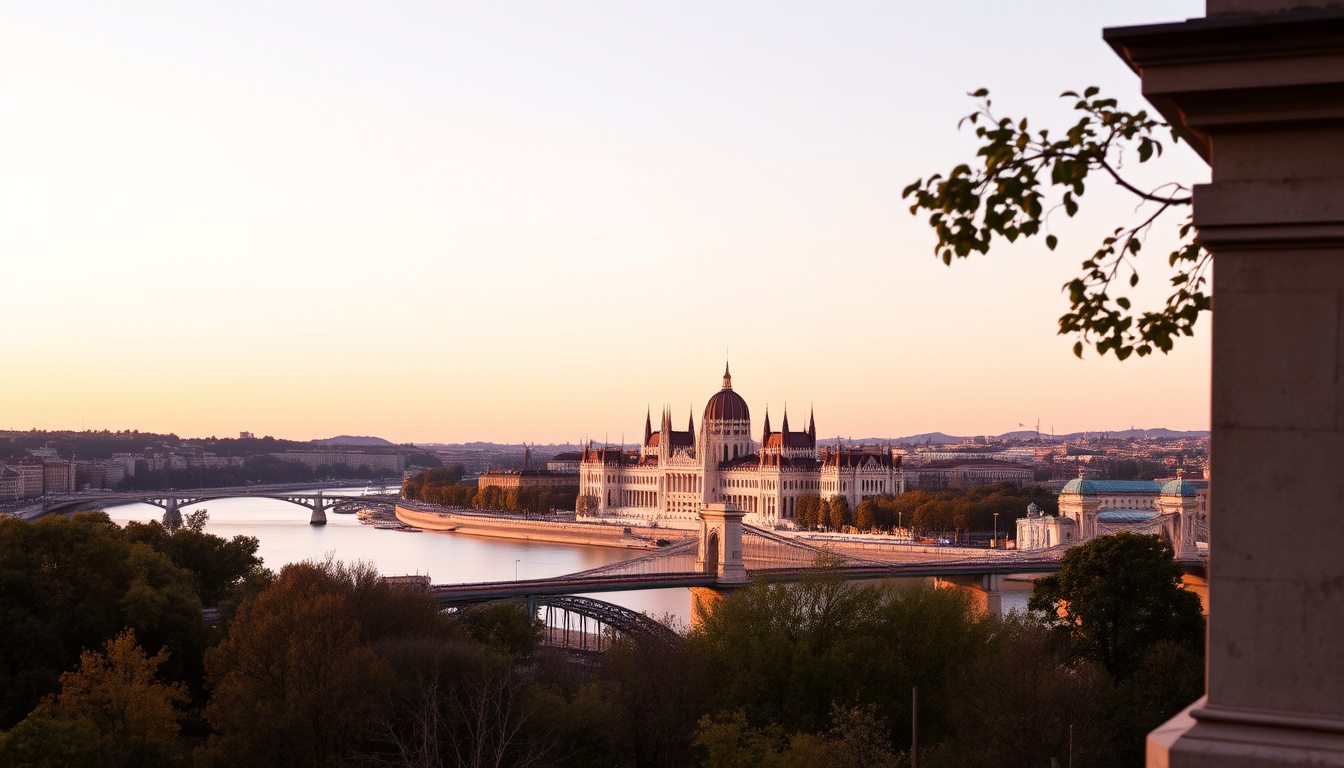
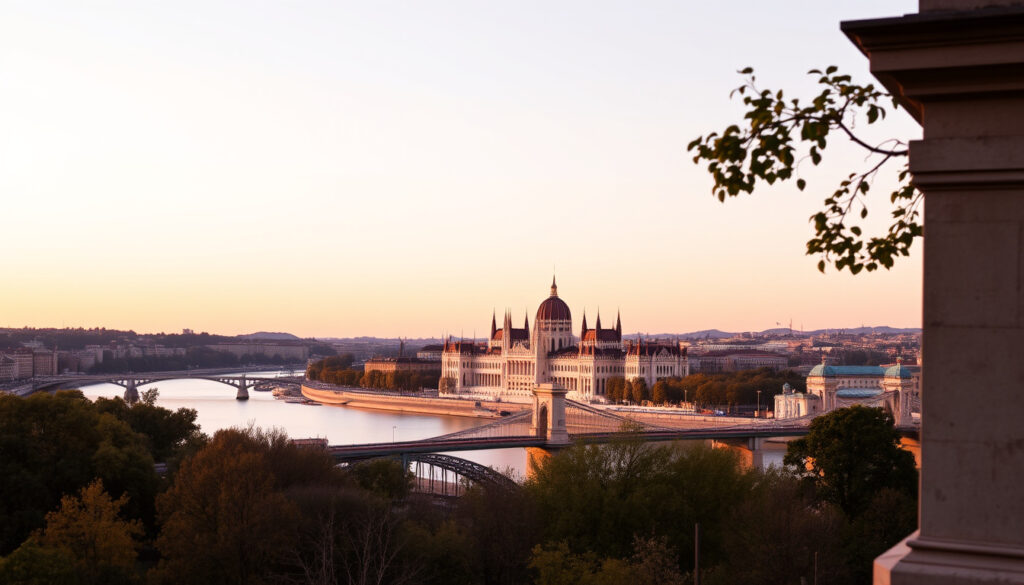
Budapest combines imperial grandeur with a vibrant underground culture that few European cities can match. Across the Danube’s two sides, travelers discover everything from Gothic parliament towers and Ottoman-era thermal baths to ruins bars that emerged from the city’s post-communist creative scene. This guide covers the best experiences across every budget, season, and interest.
Whether you have a weekend or a full week, the Hungarian capital rewards visitors who dig beneath its postcard-perfect facades. The city divides cleanly into Buda’s hilltop castles and Pest’s flat, buzzing boulevards—each offering distinct personalities and activities. Thermal baths steam year-round, ruin bars pulse until dawn, and landmarks like Fisherman’s Bastion and St. Stephen’s Basilica reveal new details with every visit.
This article draws from current travel resources, local expertise, and community recommendations to present a comprehensive picture of what Budapest offers. It targets visitors planning their first trip and returning travelers seeking fresh angles on familiar territory.
Best Free Things to Do in Budapest
Budapest surprises visitors with the breadth of experiences available without spending a forint. The city’s grandest vistas and most atmospheric neighborhoods cost nothing to explore.
Parliament exterior, Fisherman’s Bastion lower terraces, Chain Bridge crossings
Széchenyi outdoor pools, Gellért art nouveau halls, Rudas Turkish dome
Szimpla Kert, Instant/Fogas, Mazel Tov, Dobruma on Akácfa utca
Gellért Hill hike, City Park, Heroes’ Square, Tram 2 Danube panoramas
Key Insights for Budget Travelers
- The Chain Bridge links Buda and Pest on foot in minutes, offering immediate orientation for newcomers
- Fisherman’s Bastion charges only for the upper terraces—the best Danube views remain free from below
- Tram 2 runs along the Pest embankment, providing Europe’s oldest metro line’s equivalent street-level experience
- City Park contains rose gardens, Vajdahunyad Castle, and the Millennium Monument at Heroes’ Square
- The Jewish Quarter’s streets reveal ruin bar culture without entering a venue
- M1 metro, operational since 1896, counts among the world’s oldest underground railways
- December brings Christmas markets to Vörösmarty Square and Basilica, though thermal baths may close for maintenance
| Attraction | Type | Cost | Best For |
|---|---|---|---|
| Fisherman’s Bastion | Viewpoint | Free / small fee upper terraces | All visitors |
| Chain Bridge | Landmark | Free | Walking, photography |
| Széchenyi Baths | Bathhouse | Full-day ticket required | Relaxation, winter visits |
| Szimpla Kert | Ruin bar | Entry or drink purchase | Nightlife, culture |
| Gellért Hill | Hiking trail | Free | Sunset views, exercise |
| Hungarian Parliament | Government building | Free exterior / tour ticket interior | Architecture, history |
| St. Stephen’s Basilica | Religious site | Free / dome elevator extra | Panoramas, interior art |
| Tram 2 / M1 Metro | Transport | Standard fare | Scenic city views |
The Budapest Card offers free public transport and museum entry, plus discounts at bathhouses. Calculate whether your planned activities make the pass worthwhile compared to individual tickets.
Top Nightlife Experiences in Budapest
Budapest’s after-dark scene has earned European fame for its ruin bars—drinking establishments occupying abandoned buildings in the Jewish Quarter. These venues combine affordability with an atmosphere that feels invented rather than discovered.
The Ruin Bar Scene
Szimpla Kert started the trend in a gutted apartment building on Kazinczy utca. Visitors move through eclectic rooms with mismatched furniture, garden courtyards, and nightly live music. Daytime markets sell coffee, produce, and vintage goods alongside the evening chaos. Advance purchase of drinks or tickets helps during peak hours.
Instant and Fogas occupy connected buildings nearby, creating a single sprawling party complex. Mazel Tov and Dobruma draw crowds to Akácfa utca with Jewish-inspired food and craft cocktails. Karavan on Kazinczy Utca concentrates street food vendors in a courtyard setting.
Beyond the Jewish Quarter
The Danube promenade offers tamer evening options—strolling past illuminated bridges or boarding a dinner cruise. The Budapest Eye Ferris Wheel near Elizabeth Square provides aerial city views at night for €9–10. Erzsébet tér transforms seasonally, hosting ice-skating in colder months.
Ruin bars operate without standard opening hours—many open late afternoon and peak after midnight. Friday and Saturday draw the largest crowds. Taxis or rideshares work better than public transport for late-night returns.
Romantic Things to Do in Budapest for Couples
Budapest delivers the romantic credentials expected of a Danube capital. Sunset hikes, candlelit baths, and bridge walks at midnight create the canvas; couples add the personal meaning.
Scenic Evening Activities
Gellért Hill’s climb takes twenty minutes and rewards walkers with panoramic views across the river as lights activate on both Buda and Pest shores. Fisherman’s Bastion offers comparable vistas from Castle Hill, accessible via the historic Sikló funicular or steep steps. The Chain Bridge itself becomes magical after dark, when the suspension cables glow with warm lighting.
Baths for Two
Széchenyi Baths’ outdoor pools steam visibly in winter air, creating intimate pockets among the larger basins. Couples can reserve private tub rooms at Rudas Baths, where the 16th-century Turkish dome frames the rooftop pool against Budapest’s skyline. Gellért offers art nouveau surroundings with a more classical spa atmosphere.
Intimate Dining and Drinks
The Castle District’s quieter restaurants serve dinner with terrace views over Pest’s nighttime expanse. Andrássy Avenue’s late-19th-century elegance extends to its dining options, while the Jewish Quarter provides energy for couples preferring shared adventure over quiet intimacy.
Unique and Unusual Things to Do in Budapest
Beyond the expected sightseeing, Budapest harbors experiences that resist easy categorization. These activities reveal the city’s layered history and creative present.
Relics and Oddities
St. Stephen’s Basilica preserves the mummified right hand of Hungary’s first king in a side chapel. The relic attracts both pilgrims and curious visitors who pause before its glass case. The hand was reportedly stolen and recovered multiple times, adding layers of legend to the sober artifact.
The Shoes on the Danube bank memorial honors Jews shot into the river during World War II. Fifty pairs of bronze footwear of various styles—men’s, women’s, children’s—mark the spot where victims removed their possessions before being executed.
Architectural Curiosity
The Sikló funicular, operational since 1870, remains one of Europe’s oldest public transport lifts, connecting Adam Clark Square to Buda Castle in steep seconds. The ride lacks glamour but covers the equivalent of nine stories in comfort.
The Castle District continues renovation work on multiple buildings. Royal Palace galleries and courtyard sections may face partial closures. Check current status before visiting, as restoration timelines shift without consistent public updates.
Things to Do in Budapest for Adults and Young Adults
The city’s demographic sweet spot centers on travelers in their mid-20s to early 40s who value affordable nightlife, thermal bathing culture, and architectural drama in roughly equal measure.
Social Scene Essentials
The ruin bar circuit forms the backbone of Budapest’s social appeal. Szimpla Kert pioneered the concept, but dozens of competitors now fill the Jewish Quarter’s abandoned lots. Instant and Fogas offer dancing and electronic music. Karavan curates street food under string lights. The diversity means visitors can move between venues until dawn without repetition.
Széchenyi Baths host “sparties”—evening events with DJs and pool parties—several nights weekly. These draw younger crowds who might skip the daytime bathing scene, transforming the historic bathhouse into a club atmosphere. Tickets sell separately from standard admission. For those interested in exploring further, you can find more information on the best places to visit in Budapest at Карта світлового забруднення 2026.
Active Pursuits
Gellért Hill hiking appeals to those seeking exercise between cultural stops. The City Park skating rink (Városligeti Műjégpálya) serves winter visitors, while summer brings pedal boats and balloon rides. Tram 2 along the Pest embankment offers a scenic alternative to walking between attractions.
Things to Do in Budapest in December
Winter transforms Budapest into a Christmas market destination while maintaining its thermal bath culture and indoor attractions. Fewer tourists mean shorter queues at major sites, though weather limits outdoor activities.
Seasonal Markets
Vörösmarty Square hosts the city’s largest Christmas fair, with wooden stalls selling crafts, mulled wine, and chimney cake. St. Stephen’s Basilica sponsors a smaller market with an ice rink. Both venues operate from late November through late December.
Winter Bathing
Széchenyi’s outdoor pools steam dramatically in freezing temperatures, making winter visits arguably more memorable than summer ones. The thermal water keeps pools at body temperature while air temperatures drop below zero. Gellért and Rudas remain options, though outdoor sections may close during extreme cold.
Indoor Alternatives
The Hungarian National Gallery and Budapest History Museum occupy Buda Castle wings, offering hours of coverage on Hungary’s artistic and political history. The Ethnographic Museum and House of Music provide additional cultural programming. These venues suit December visits when outdoor sightseeing becomes uncomfortable.
Budapest in Three Days: An Ideal Itinerary
Travelers with limited time can cover Budapest’s highlights efficiently. This sequence prioritizes the city’s most distinctive experiences while allowing reasonable pacing.
- Day 1 Morning: Cross the Chain Bridge to Castle Hill. Visit Fisherman’s Bastion for panoramic views, then explore Buda Castle museums.
- Day 1 Afternoon: Tour the Hungarian Parliament interior if booked in advance, or photograph the exterior from Kossuth Square.
- Day 1 Evening: Ride the Budapest Eye, dine in the Castle District, then walk the Chain Bridge after dark.
- Day 2 Morning: St. Stephen’s Basilica interior and dome climb. Walk Andrássy Avenue to Heroes’ Square.
- Day 2 Afternoon: Széchenyi Baths—arrive early to secure space in outdoor pools.
- Day 2 Evening: Dinner in the Jewish Quarter, then ruin bar exploration starting at Szimpla Kert.
- Day 3: Gellért Hill hike at sunrise, City Park exploration, Danube cruise at sunset, or thermal bath sparty if visiting on Thursday or Saturday.
Pre-book Parliament tours and Széchenyi thermal bath entry online. Summer queues can exceed 90 minutes. Combined tickets for multiple museums in Buda Castle often provide better value than individual admission.
What We Know for Certain About Budapest Attractions
Certain information about Budapest’s attractions remains reliably established across sources, while other details vary by season or recent changes.
| Established Information | Variable Information |
|---|---|
| Fisherman’s Bastion lower levels are free to enter | Opening hours for specific museum wings |
| Széchenyi Baths operate year-round | Winter sparty schedules |
| Szimpla Kert anchors the ruin bar scene | Christmas market dates and vendor availability |
| Chain Bridge remains pedestrian-accessible | Castle District renovation timelines |
| M1 metro has run since 1896 | Specific tour departure times |
| St. Stephen’s Basilica contains the saint’s mummified hand | Summer peak crowd levels |
Understanding Budapest’s Geography and Culture
Budapest’s structure determines how visitors experience it. The Danube divides the city into Buda’s hilly west bank and Pest’s flat eastern extension. Buda houses the castle, Fisherman’s Bastion, and Gellért Hill—elevated positions offering commanding views. Pest contains the Parliament, basilica, opera house, and the Jewish Quarter’s nightlife.
Thermal bath culture runs through Hungarian identity. The city sits above geothermal reservoirs that have fed public bathing for centuries. Ottoman occupation left the Turkish bath architecture visible at Rudas and other sites. The tradition survived communism and now attracts both local regulars and international visitors seeking the uniquely Hungarian leisure experience.
The ruin bar phenomenon emerged in the early 2000s when young entrepreneurs occupied abandoned buildings rather than let them decay further. What began as improvised nightlife has become a defining cultural export, studied by city planners and developers in other European capitals.
What Travelers and Locals Say About Budapest
“The thermal baths are uniquely Budapest. You can spend hours in water that steams in winter air while the city hums around you.”
“Tram 2 along the Danube gives you the Parliament view, the bridges, the whole river mood—and it’s just a regular tram ticket.”
“The ruin bars feel discovered even though they’re famous. Walking into Szimpla Kert at midnight hits different than any other European night out.”
Your Budapest Adventure Starts Here
Budapest rewards both careful planners and spontaneous explorers. The city compresses centuries of architectural ambition, thermal bathing traditions, and creative nightlife into a manageable two-bank geography. Whether you prioritize free views from Fisherman’s Bastion, quiet evenings in thermal pools, or dawn-to-dawn ruin bar marathons, Budapest delivers experiences that feel distinctly its own.
For broader European travel planning, explore our guides to Things to Do in Berlin – Essential Guide for Every Traveler and Newport Isle of Wight – County Town Guide to Shops and Attractions.
Frequently Asked Questions
What are the best things to do in Budapest according to Reddit travelers?
Reddit communities recommend Tram 2 along the Danube, a full day in City Park, the M1 metro ride, and exploring ruin bars after dark. Community posts emphasize that the best experiences combine free sightseeing with affordable thermal bathing.
What cultural activities does Budapest offer beyond typical sightseeing?
Budapest provides the Hungarian National Gallery, House of Music, Ethnographic Museum, and regular opera performances on Andrássy Avenue. The city’s Jewish heritage survives in synagogue architecture and the kosher restaurant scene around Kazinczy utca.
Can I visit Budapest thermal baths year-round?
Széchenyi Baths remain open throughout winter, with outdoor pools steaming in cold air. Gellért operates with varying indoor-outdoor availability. Some facilities reduce hours or close sections during extreme weather events.
What’s the most romantic thing to do in Budapest for couples?
Sunset hikes up Gellért Hill or Fisherman’s Bastion, followed by a Danube dinner cruise, rank highest for romantic experiences. Private bath sessions at Rudas also appeal to couples seeking intimacy without the public pool atmosphere.
What unusual attractions does Budapest have?
The Shoes on the Danube memorial, St. Stephen’s mummified hand relic, and the Sikló funicular since 1870 offer historical oddities distinct to Budapest. The ruin bar concept itself originated here.
Is Budapest good for young adults and nightlife?
Budapest ranks among Europe’s best destinations for young adult travelers. The ruin bar scene, sparty events at Széchenyi, affordable alcohol prices, and walkable nightlife districts in the Jewish Quarter create ideal conditions for group travel.
What can I do in Budapest in December?
December brings Christmas markets to Vörösmarty Square and St. Stephen’s Basilica, winter thermal bathing, ice skating in Erzsébet tér, and reduced crowds at major museums. Outdoor sightseeing becomes weather-dependent, shifting focus to indoor attractions.

Oliver Jack Carter Cooper is a staff writer for EveningLedger.uk, covering UK news, politics, business and culture. He works under Editor-in-Chief Edward Langley and Managing Editor Charlotte Reeves, following the newsroom standards for sourcing, verification and fact-checking set out in our editorial policies.