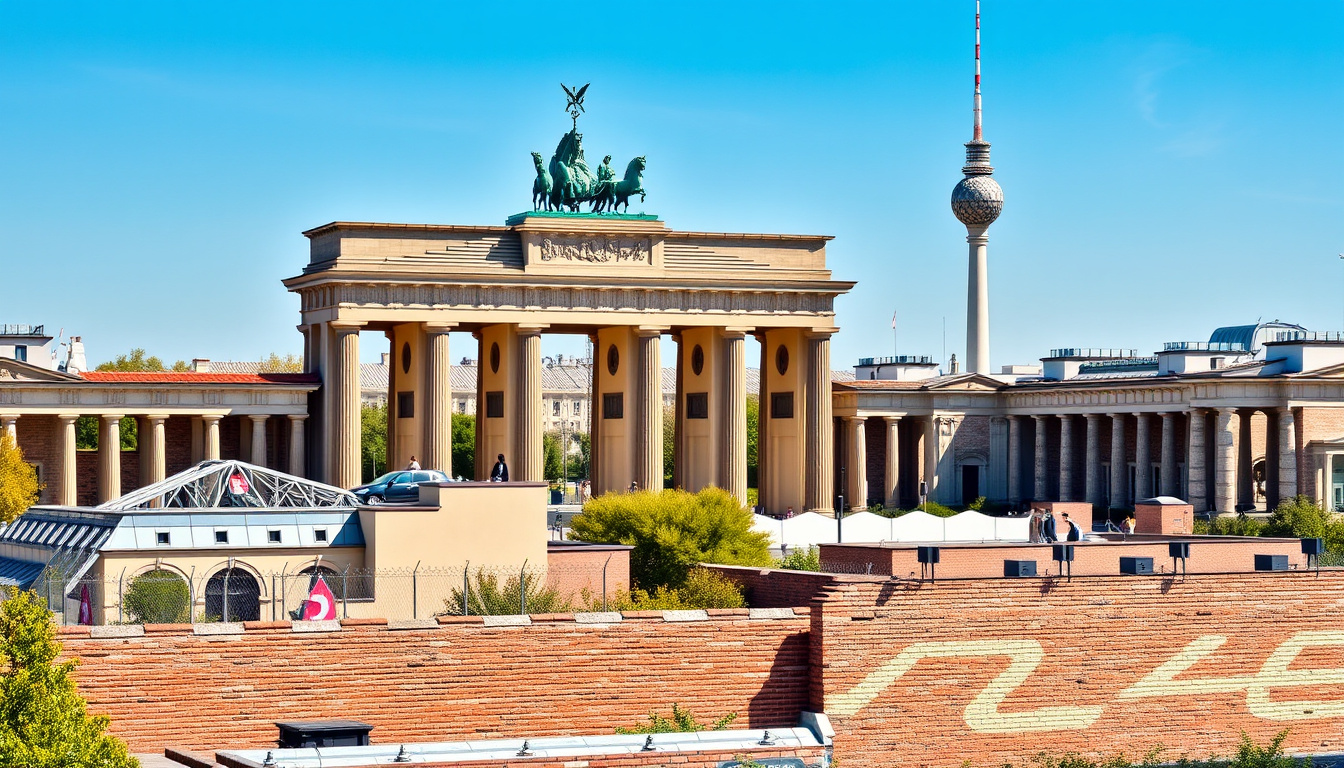
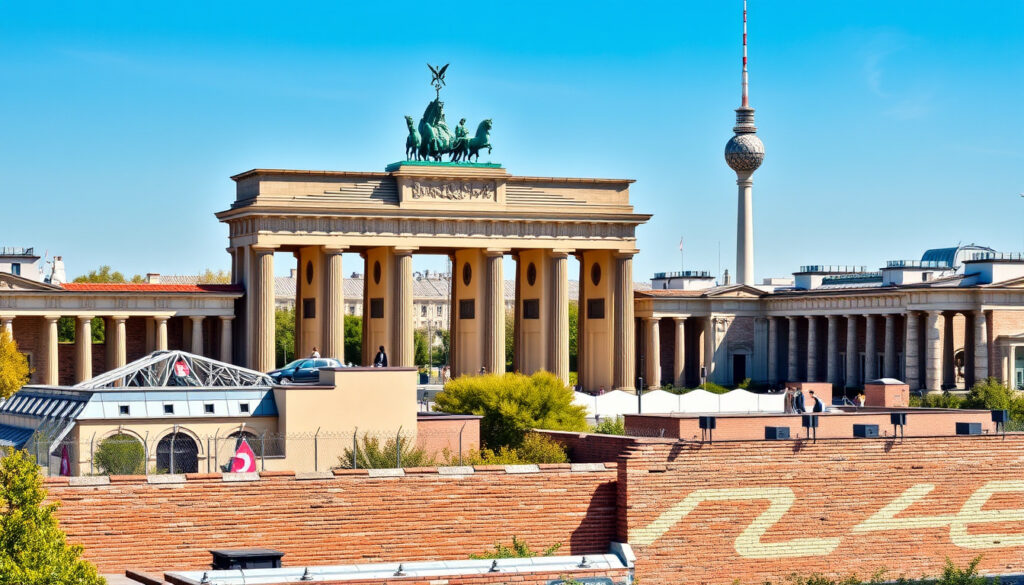
Berlin seamlessly weaves together centuries of European history with cutting-edge contemporary culture. Germany’s capital offers everything from reconstructed baroque landmarks to underground art scenes, making it one of Europe’s most compelling destinations for travelers with diverse interests.
Whether you have 48 hours or a full week, navigating Berlin’s vast array of attractions can feel overwhelming. This guide categorizes the best experiences by traveler type, season, and budget—helping you build an itinerary that matches your priorities rather than following generic tourist routes.
From climbing the Reichstag dome at sunrise to dancing until dawn in abandoned warehouses, Berlin rewards those who dig beneath the surface. The city works equally well for families seeking educational fun, couples chasing romantic atmosphere, or solo travelers hunting for unconventional experiences.
Top 10 Things to Do in Berlin
Berlin’s essential attractions span historical significance, architectural grandeur, and cultural depth. These ten experiences consistently rank highest among visitors and locals alike.
Brandenburg Gate, Reichstag, TV Tower
East Side Gallery, Holocaust Memorial, Tiergarten
Zoo Berlin, Natural History Museum, DDR Museum
Kreuzberg bars, Mauerpark karaoke, Teufelsberg
Key Insights for Planning Your Berlin Visit
- The Reichstag dome and Brandenburg Gate dominate the tourist center but warrant the crowds—book Reichstag visits in advance through the official booking portal
- Museum Island offers five world-class institutions, but the Pergamon Museum remains closed for renovations as of April 2026—verify opening times before visiting
- December transforms the city with Christmas markets, with Gendarmenmarkt offering the most atmospheric setting amid its historic buildings
- Public transport via BVG is efficient and affordable—a day ticket at €8.80 covers unlimited U-Bahn, S-Bahn, trams, and buses
- Neukölln and Kreuzberg reward visitors willing to venture beyond the tourist core, offering authentic food scenes and vibrant street culture
- Many powerful historical sites—including the Holocaust Memorial and Topography of Terror—remain free, making Berlin accessible for budget travelers
- Summer brings outdoor festivals and performances, while winter’s shorter days suit museum-focused itineraries
Berlin Attractions at a Glance
| Attraction | Entry | Best For | Time Needed |
|---|---|---|---|
| Reichstag Building | Free (book ahead) | History, panoramic views | 1-2 hours |
| East Side Gallery | Free | History, street art | 1 hour |
| Museum Island | €16-18 per museum | Culture, architecture | 3-5 hours |
| Brandenburg Gate | Free | Landmarks, photos | 30 minutes |
| Holocaust Memorial | Free | Reflection, history | 45 minutes |
| TV Tower | From €13 | City views, dining | 1-2 hours |
| Checkpoint Charlie | Free (outdoor) | History, atmosphere | 30 minutes |
| Mauerpark | Free | Flea market, karaoke | 2-3 hours |
Best Things to Do in Berlin for Adults and Young Adults
Berlin’s after-dark reputation draws visitors seeking more than museum-hopping. The city’s counterculture heritage and creative energy remain palpable in neighborhoods like Kreuzberg, Friedrichshain, and Neukölln.
Neighborhood Exploration
Neukölln has evolved into Berlin’s most multicultural neighborhood, where Turkish grocery stores sit beside Vietnamese pho spots and Ethiopian injera houses. Café Refugio exemplifies this diversity—a Berlin City Mission project where staff from nine different cultures work together, serving coffee and conversation in a converted space.
Kreuzberg retains its bohemian character despite increasing commercialization. The Oberbaum Bridge connects this district to Friedrichshain, marking the boundary between two of Berlin’s most animated nightlife zones. Cafés line the streets until late afternoon, when bars begin filling for evening aperitivos.
Culture and Nightlife
The Neue Nationalgalerie houses 20th-century masterpieces in a building designed by Mies van der Rohe—its steel-and-glass pavilion alone justifies the visit. Works by Picasso, Kandinsky, and Miró occupy galleries that stay open late on select evenings.
The Sony Center at Potsdamer Platz transforms after dark, its light installations drawing photographers and couples seeking atmosphere. Nearby, the Museum of Film offers interactive exhibitions on German cinema history, including an infinite mirror corridor that proves popular on social media.
For a genuinely unconventional evening, cross into former East Berlin and seek out basement bars and former factory venues. Many operate without signs—arriving around 10pm and asking locals often yields the best results. Check the official Berlin tourism portal for event calendars before your visit.
Culinary Experiences
Berlin’s food scene has matured dramatically in recent years, though traditional specialties remain essential. Currywurst—curry-flavored sausage with tomato sauce—originated in the city and remains a street food staple available at stands throughout the city.
Biergärten offer the most relaxed dining experience, with traditional beer gardens in Tiergarten and elsewhere serving cold local brews alongside hearty German fare. Club Mate, a caffeinated herbal tea drink, has become something of a Berlin icon—sold at convenience stores and bars throughout the city.
Things to Do in Berlin with Kids
Family travelers will find Berlin surprisingly accommodating, with attractions ranging from world-class zoos to hands-on science centers. The city’s compact downtown core allows families to cover significant ground without excessive transit time.
Essential Family Attractions
Zoo Berlin ranks among the oldest and most respected zoos in Europe, housing over 20,000 animals across 1,500 species. The adjacent Aquarium appeals to younger children with its marine displays and interactive exhibits.
The Natural History Museum features the world’s largest mounted dinosaur skeleton—a giraffatitan brancai that dominates the central hall. Hands-on stations throughout the museum encourage younger visitors to engage with specimens and simulations.
Interactive and Educational Experiences
The DDR Museum offers an immersive dive into daily life in East Germany, allowing visitors to sit in original Trabant cars and experience simulated Stasi interrogations. The interactive approach appeals to children aged 10 and above who can appreciate the historical context.
Tempelhofer Feld, a former airport now converted to public park, provides unmatched space for children to run, bike, and fly kites. The terminal building remains largely intact, offering shelter during unexpected rain showers.
Many museums offer family-focused workshops during school holidays—check schedules at the Jewish Museum, Pergamon Museum’s sister institutions, and the DDR Museum. Weekend programs often fill quickly, so booking 48 hours in advance is advisable for popular sessions.
Outdoor Spaces for Families
Tiergarten, Berlin’s central park, provides safe space for children to explore near the Victory Column, where a playground and lakeside paths offer relief from indoor attractions. The park connects naturally to the Brandenburg Gate area, allowing families to combine green space with landmark visits.
Körnerpark in Neukölln surprises visitors with its formal gardens, fountains, and greenhouse displays. The surrounding neighborhood provides affordable lunch options at Turkish bakeries and family-run restaurants.
Seasonal Things to Do in Berlin: December and Today
Berlin’s character shifts dramatically with the seasons, offering distinct experiences depending on when you visit. The city’s infrastructure handles both summer crowds and winter markets with equal competence.
Winter in Berlin
December transforms Berlin into a celebration of light and tradition. Christmas markets appear in nearly every neighborhood square, with Gendarmenmarkt offering the most picturesque setting. The square’s three historic buildings—the German Cathedral, French Cathedral, and Konzerthaus—frame wooden stalls selling handmade ornaments, Glühwein, and regional crafts.
The Festival of Light in autumn illuminates Gendarmenmarkt and other landmarks with projection mapping that draws significant crowds. Summer brings the Classic Open Air music festival to the same square, where outdoor classical performances attract different audiences.
Planning for Today
Spontaneous visitors should consult the official Berlin events calendar for same-day opportunities. Many museums offer extended hours on select days, and gallery openings in neighborhoods like Mitte and Prenzlauer Berg frequently occur Thursday evenings.
Weather-dependent activities require flexibility. Summer days suit outdoor explorations along the Spree and picnics in Tempelhofer Feld, while rainier periods favor the city’s extensive museum network. The TV Tower at Alexanderplatz remains popular regardless of conditions, with indoor viewing platforms and a restaurant offering refuge during inclement weather.
The Pergamon Museum on Museum Island closed for extensive renovations in early 2024 and is expected to remain inaccessible through 2027. Visitors should check the TripAdvisor Berlin attractions page for current status of individual museum hours and temporary exhibitions.
Crazy and Reddit-Recommended Things to Do in Berlin
Traveler communities like Reddit offer unfiltered recommendations that often reveal Berlin’s more unconventional side. These experiences require more effort to reach or accept greater uncertainty, but they reward those seeking stories worth telling.
Urban Exploration
Teufelsberg sits atop a former Nazi military training site that later served as a listening station during the Cold War. The abandoned facility offers urban explorers a concrete playground amid forest surroundings. Access requires navigating forested paths—the site remains technically private property.
Mauerpark’s Sunday flea market draws thousands for vinyl records, vintage fashion, and antiques, but the real entertainment begins at 3pm when outdoor karaoke starts at the amphitheater. The participatory spectacle—featuring amateur singers performing everything from opera to punk rock—embodies Berlin’s anything-goes attitude.
Community Gathering Spots
Reddit discussions consistently recommend exploring Berlin’s neighborhood markets—Turmstraße in Moabit, Maybachufer in Neukölln, and Boxhagener Platz in Friedrichshain offer local atmospheres largely untouched by tourism. These markets operate on specific days and often close by early afternoon.
The East Side Gallery, while tourist-heavy, retains its power as the longest remaining stretch of the Berlin Wall. Murals painted by 105 international artists in 1990 celebrated reunification and continue providing striking photo opportunities and historical education.
Beyond the Guidebook
Kreuzberg’s Turkish community operates restaurants and cafes that rarely appear in international travel guides but consistently receive endorsements from residents and repeat visitors. Following local crowds toward food—rather than toward branded signage—often yields the most authentic meals.
Three-Day Berlin Itinerary
Three days provides sufficient time to cover Berlin’s essential attractions while allowing flexibility for spontaneous discoveries. This suggested timeline balances landmarks with neighborhood exploration.
- Day 1: Brandenburg Gate and Reichstag dome in the morning, Holocaust Memorial and Topography of Terror by midday, Museum Island and Berlin Cathedral in the afternoon
- Day 2: East Side Gallery and Oberbaum Bridge in the morning, Kreuzberg neighborhood exploration with lunch, Tiergarten and Victory Column in the afternoon, Sony Center evening visit
- Day 3: Mauerpark flea market on Sunday morning (or alternative: Teufelsberg exploration), Neukölln multicultural food scene for lunch, alternative museums or family attractions based on group interests, evening at a basement bar or biergarten
Established Facts and Remaining Questions
| Confirmed Information | Uncertain or Variable Details |
|---|---|
| Reichstag dome requires advance booking | Exact reopening dates for Pergamon Museum renovations |
| East Side Gallery is permanently accessible | Current admission prices—verify at venue |
| Gendarmenmarkt Christmas market operates late November through December | Exact opening hours vary by market—check official sources |
| Mauerpark flea market runs Sundays 7am-5pm | Weather conditions affecting outdoor activities |
| Teufelsberg is privately operated with limited access | Current accessibility and safety conditions |
| BVG day tickets cost €8.80 | Special event transit adjustments |
Berlin’s Historical and Cultural Context
Understanding Berlin’s layered history enhances every visit. The city served as Prussia’s imperial capital, Germany’s democratic Weimar center, the Nazi regime’s headquarters, and then as the divided capital of East and West Germany during the Cold War.
These layers of history remain visible throughout the city. The Reichstag building—attacked during the 1933 Nazi seizure of power, then walled off during the Cold War—symbolizes this accumulated history. Today its glass dome represents transparency in government, a deliberate counterpoint to the secrecy that characterized previous regimes.
The Berlin Wall’s fall in 1989 created both celebration and complications. The East Side Gallery preserves the most significant stretch of the barrier that divided families and trapped citizens for 28 years. Nearby, Checkpoint Charlie—the most famous crossing point between East and West—now operates as a tourist attraction, though its original significance as a flashpoint for Cold War confrontations remains palpable.
Sources and Official Information
This guide draws information from official tourism bodies, visitor reviews, and established travel communities:
The Visit Berlin portal provides current event calendars, attraction updates, and transport information directly from the city’s official tourism organization.
Traveler forums and community discussions offer unfiltered experiences that complement official sources. These firsthand accounts often reveal details about crowding, line times, and neighborhood character that static guides cannot capture.
Summary
Berlin rewards travelers who approach it with curiosity rather than rigid itineraries. The city’s attractions span centuries of European history, world-class art collections, and living creative scenes that continue evolving. Whether you spend three days or three weeks, focusing on your specific interests—whether historical sites, family activities, or neighborhood exploration—yields more satisfying results than attempting comprehensive coverage.
For additional UK destination guides, explore our V&A Dundee – Architecture Tickets and Visitor Guide or our Newport Isle of Wight – County Town Guide to Shops and Attractions.
Frequently Asked Questions
What are the top free things to do in Berlin?
Free activities include walking through the East Side Gallery, exploring the Holocaust Memorial, wandering Tiergarten park, viewing street art in Kreuzberg, and visiting Checkpoint Charlie’s outdoor exhibits. Many Berlin churches and government buildings also offer free or donation-based entry.
How many days do you need to see Berlin highlights?
Most visitors need three full days to cover essential attractions without rushing. Two days can suffice for a condensed itinerary hitting landmarks like the Reichstag, Brandenburg Gate, Museum Island, and one neighborhood exploration.
When is the best time for Berlin Christmas markets?
Christmas markets typically run from late November through December 24th. The first two weeks of December offer peak atmosphere, though crowds increase significantly. Weekday afternoons tend to be less crowded than weekends.
Is Berlin good for family vacations?
Berlin offers numerous family-friendly attractions including Zoo Berlin, the Natural History Museum, DDR Museum, and expansive parks like Tempelhofer Feld and Tiergarten. The city’s compact center allows families to combine multiple attractions in single days without extensive transit.
What neighborhood should tourists stay in?
Mitte is ideal for first-time visitors due to proximity to major landmarks and excellent transit connections. Kreuzberg suits those seeking nightlife and dining scenes, while Prenzlauer Berg offers family-friendly atmosphere with good restaurant options.
How much does a Berlin trip cost?
Daily budgets range from €60-100 for budget travelers choosing hostels, street food, and free attractions to €150-250 for mid-range visitors in hotels with sit-down meals. Many major attractions including the Brandenburg Gate and Holocaust Memorial are free.
What is the best way to get around Berlin?
The BVG public transit system efficiently covers the entire city with U-Bahn, S-Bahn, trams, and buses. A day ticket costs around €8.80 with unlimited rides. Taxis and ride-shares are readily available but significantly more expensive for longer distances.

Oliver Jack Carter Cooper is a staff writer for EveningLedger.uk, covering UK news, politics, business and culture. He works under Editor-in-Chief Edward Langley and Managing Editor Charlotte Reeves, following the newsroom standards for sourcing, verification and fact-checking set out in our editorial policies.