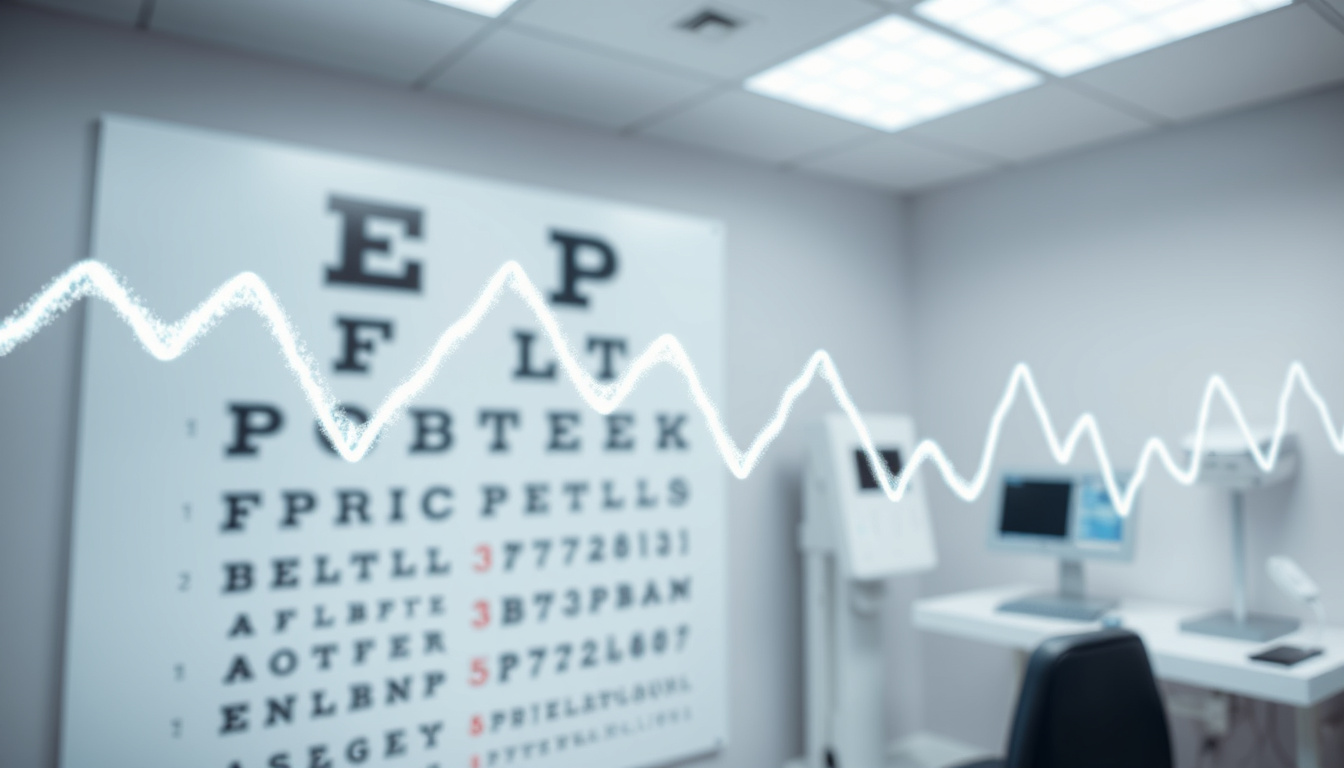
The first time it happens, zigzag lines creeping across your vision feel alarming enough to call 911. What makes it stranger — and often more confusing — is that the visual fireworks arrive without a shred of pain. You’re not alone: Cleveland Clinic notes ocular migraine symptoms usually affect vision briefly and aren’t typically serious. This guide sorts out what’s happening, when to take it seriously, and exactly what to do next.
Most Common Cause: Ocular Migraine · Typical Duration: 5–60 Minutes · Headache Absent In: Acephalgic Migraine · Affects: One Eye Often · Worry If Lasts: Under 5 or Over 60 Minutes
Quick snapshot
- Zig-zag lines (Medical News Today)
- Flashing lights (Dr. Rupa Wong on YouTube)
- Temporary blind spots (Cleveland Clinic)
- Ocular migraine (Mayo Clinic)
- Acephalgic migraine (Neuro Center NJ)
- Retinal migraine (Flint Rehab)
- One eye only (Cleveland Clinic Consult QD)
- Lasts >60 min (Medical News Today)
- With weakness (Dr. Rupa Wong on YouTube)
- Rest in dark room (Flint Rehab)
- Hydration (Mayo Clinic)
- Over-the-counter pain relief (Cleveland Clinic)
These key facts come from major medical institutions and peer-reviewed research spanning two decades of data on migraine auras, stroke risks, and symptom differentiation.
| Factor | Details |
|---|---|
| Prevalence | Very common |
| No Headache Type | Acephalgic Migraine |
| Normal Duration | 5–60 Minutes |
| Seek Help If | One Eye or Prolonged |
| Top Source | Mayo Clinic |
What does it mean when you see zig-zag lines in your vision?
Zig-zag lines in vision are a hallmark sign of migraine aura — a sensory disturbance that affects roughly one in four people who experience migraines. Medical News Today reports these lines typically expand gradually and last under an hour. The pattern often starts small and grows into a shimmering C-shape or blind spot that drifts across your field of view.
Common causes
- Migraine with aura — the most common driver of zigzag visual patterns
- Retinal migraine — causes temporary vision loss alongside visual disturbances
- Ocular migraine — technically the same as retinal migraine per most specialists
Visual migraine explanation
According to Dr. Rupa Wong, board-certified ophthalmologist, ocular migraine symptoms include zigzagging lights, shimmering C-shaped lights, or blind spots that grow over time. The visual aura originates in the brain’s visual cortex, not the eye itself, which is why closing one eye sometimes reduces the sensation — though most auras are actually bilateral.
Cleveland Clinic Consult QD states visual auras in migraine are usually bilateral. Unilateral symptoms suggest a vascular issue, not typical migraine aura.
The pattern means your brain’s visual cortex is experiencing a wave of nerve activity — the same cortical spreading depression that triggers migraines — without necessarily triggering the headache phase.
Can you have a zigzag aura without a headache?
Yes — and it’s more common than most people realize. Neuro Center NJ confirms migraine aura symptoms can occur without headache, a presentation called acephalgic migraine (literally “without head pain”).
Acephalgic or silent migraine
The medical term acephalgic migraine describes migraine aura that occurs entirely without the headache phase. Research published in PMC found migraine aura without headache carries lower subsequent vascular event risk than TIA, despite similar presenting symptoms.
Ocular migraine without headache
Brigham and Women’s Hospital ophthalmologists note it is actually very common to have a visual migraine without any headache. The visual symptoms alone — shimmering lines, blind spots, flashing lights in eyes — can last anywhere from 10 minutes to under an hour before resolving completely.
Are zigzag lines in vision serious?
For most people, zigzag lines in vision are benign — but context matters enormously. Mayo Clinic states ocular migraine usually isn’t serious and affects vision only briefly. However, the same symptoms that look like migraine aura can occasionally indicate a stroke.
When benign
- Symptoms affect both eyes simultaneously
- Zigzag patterns expand gradually over minutes
- Episode resolves within 5–60 minutes
- No accompanying weakness, numbness, or speech changes
- History of similar episodes
Stroke or other risks
Medical News Today cites research showing stroke causes sudden vision loss in one eye, unlike gradual migraine aura symptoms. Bluefin Vision reports women under 45 with ocular migraines have heightened stroke risk, especially with hormonal contraceptives or smoking.
“Migraine with aura triples the risk of ischemic stroke caused by blood clots compared to non-migraine sufferers.”
— Bluefin Vision, Eye Care Provider
The ARIC study tracked participants over 20 years (1993–2012) and found migraine with visual aura carried an HR of 1.7 for ischemic stroke. While most episodes are harmless, recurring visual aura over years adds measurable stroke risk — making even benign-seeming symptoms worth documenting for patients with additional vascular risk factors.
When to worry about wavy, shimmering lines in vision?
The duration and accompanying symptoms are your most reliable triage tools. Medical News Today advises seeking urgent care if aura lasts more than one hour to rule out migrainous stroke — a rare complication accounting for 0.5% of ischemic strokes.
Duration red flags
- Under 5 minutes — too brief for typical migraine aura; may indicate TIA
- Over 60 minutes — exceeds normal aura duration; requires evaluation
- Repeated episodes in 24 hours — cluster warrants medical assessment
Accompanying symptoms
Dr. Rupa Wong lists stroke red flags alongside visual symptoms: facial drooping, slurred speech, weakness on one side. Cleveland Clinic Consult QD describes how unilateral pixelated vision in one eye led to carotid stenosis diagnosis rather than bilateral ocular migraine. Patients with conditions like blood clot in lung or other vascular disorders should be especially vigilant about these warning signs.
If you can still read this sentence during the episode, the visual disturbance is likely migraine aura. If vision loss feels like a shade pulling down over one eye with no shimmer, act as if it’s a stroke.
The implication: what feels like a minor visual inconvenience can mask a vascular event requiring immediate intervention — especially when that shade descends suddenly over a single eye.
What is the fastest way to cure an ocular migraine?
Ocular migraines typically resolve on their own, but you can accelerate relief and reduce severity. Flint Rehab recommends resting in a dark room, staying hydrated, and avoiding known triggers like stress or certain foods.
Immediate relief steps
- Move to a quiet, dark room — light sensitivity intensifies aura symptoms
- Apply a cold compress over your eyes for 10–15 minutes
- Stay hydrated; dehydration is a common trigger
- Over-the-counter NSAIDs (ibuprofen, aspirin) if tolerated
- Avoid screen time until visuals fully resolve
Prevention tips
Flint Rehab notes lifestyle changes like regular exercise and hydration reduce stroke risk in migraineurs. The ARIC study (1993–2012, n=11,407) found migraine without visual aura carries no increased stroke link — confirming that not all migraines carry equal vascular risk.
How to distinguish migraine aura from stroke
The pattern is consistent across major institutions: gradual onset and bilateral symptoms suggest migraine; sudden onset and unilateral symptoms suggest stroke or TIA. Migraine Disorders clarifies migraine aura produces zig-zag lines or colors, while stroke typically causes blurry vision or decreased visual acuity.
“One moment your vision is perfectly normal, and the next it’s gone. There’s no slow shimmer or expanding light.”
— Dr. Rupa Wong, Board-certified Ophthalmologist
Cleveland Clinic lists central retinal artery occlusion (eye stroke) as a known complication of ocular migraine. The paradox: migraineurs focus on avoiding headaches while the real threat is vascular, and standard stroke risk factors like hypertension, diabetes, and obesity compound the danger.
The pattern: those who understand ocular migraine only as a headache disorder may dismiss their most dangerous symptom — the visual aura itself — until a vascular event makes the connection for them.
Understanding your risk profile
Not all ocular migraine patients carry equal stroke risk. Medical News Today cites 2019 research showing migraine history doubles stroke risk in young females, with higher risk when aura is present. A 2020 review identified stroke risk multipliers: aura, oral contraceptives, female sex, and smoking.
Confirmed facts
- Most cases are benign migraine auras per Mayo Clinic and NHS
- Migraine with aura triples ischemic stroke risk (Bluefin Vision)
- ARIC study (1993–2012): HR 1.7 for ischemic stroke with visual aura
- Migraine without visual aura has no stroke link (PMC)
What’s unclear
- Long-term stroke risk from auras without headache specifically
- Exact mechanisms linking patent foramen ovale to cardioembolic stroke in migraineurs
- Whether treating ocular migraine reduces overall stroke risk
Frequently asked questions
Is ocular migraine a mini stroke?
No, but the symptoms can overlap. Flint Rehab reports migrainous infarction (stroke during migraine) accounts for only 0.5% of ischemic strokes. Typical ocular migraine resolves completely; stroke does not.
What are the early warning signs of an eye stroke?
Eye stroke (central retinal artery occlusion) causes sudden, painless vision loss in one eye. Unlike migraine aura, there’s no shimmer or expanding pattern — just sudden blackout. Cleveland Clinic lists this as a known ocular migraine complication.
Is aura without headache a stroke risk?
Yes, but lower than previously thought. PMC research found migraine aura without headache carries lower subsequent vascular event risk than TIA. However, women under 45 with aura still face heightened risk, per Bluefin Vision.
Do brain tumors cause visual auras?
Visual auras are caused by cortical spreading depression — a wave of nerve cell activity — not tumors. Brain tumors cause vision changes through compression or optic pathway disruption, typically with persistent rather than transient symptoms.
What are the warning signs 7 days before a stroke?
Classic F.A.S.T. symptoms (facial drooping, arm weakness, speech difficulty, time to call 911) represent acute stroke onset. Dr. Rupa Wong emphasizes visual symptoms that appear suddenly in one eye without the gradual expansion typical of migraine aura warrant immediate evaluation.
Why am I suddenly getting ocular migraines?
Common triggers include stress, hormonal fluctuations, sleep deprivation, certain foods (aged cheese, processed meats), alcohol, caffeine changes, and bright lights. Flint Rehab notes hypertension, diabetes, and obesity also compound stroke risk in migraine patients.
What causes zigzag vision in one eye?
Unilateral zigzag vision suggests vascular involvement rather than typical migraine. Cleveland Clinic Consult QD reports a case where unilateral pixelated vision led to carotid stenosis diagnosis — not ocular migraine. This warrants urgent vascular imaging.
The takeaway for anyone experiencing zigzag lines without headache is straightforward: most episodes are benign and self-resolving, but unilateral symptoms or prolonged duration demand immediate evaluation. For patients under 45 with ocular migraine, particularly women on hormonal contraceptives, the stroke risk compounds enough that lifestyle modification — exercise, hydration, smoking cessation — isn’t optional. It’s protective.

Oliver Jack Carter Cooper is a staff writer for EveningLedger.uk, covering UK news, politics, business and culture. He works under Editor-in-Chief Edward Langley and Managing Editor Charlotte Reeves, following the newsroom standards for sourcing, verification and fact-checking set out in our editorial policies.