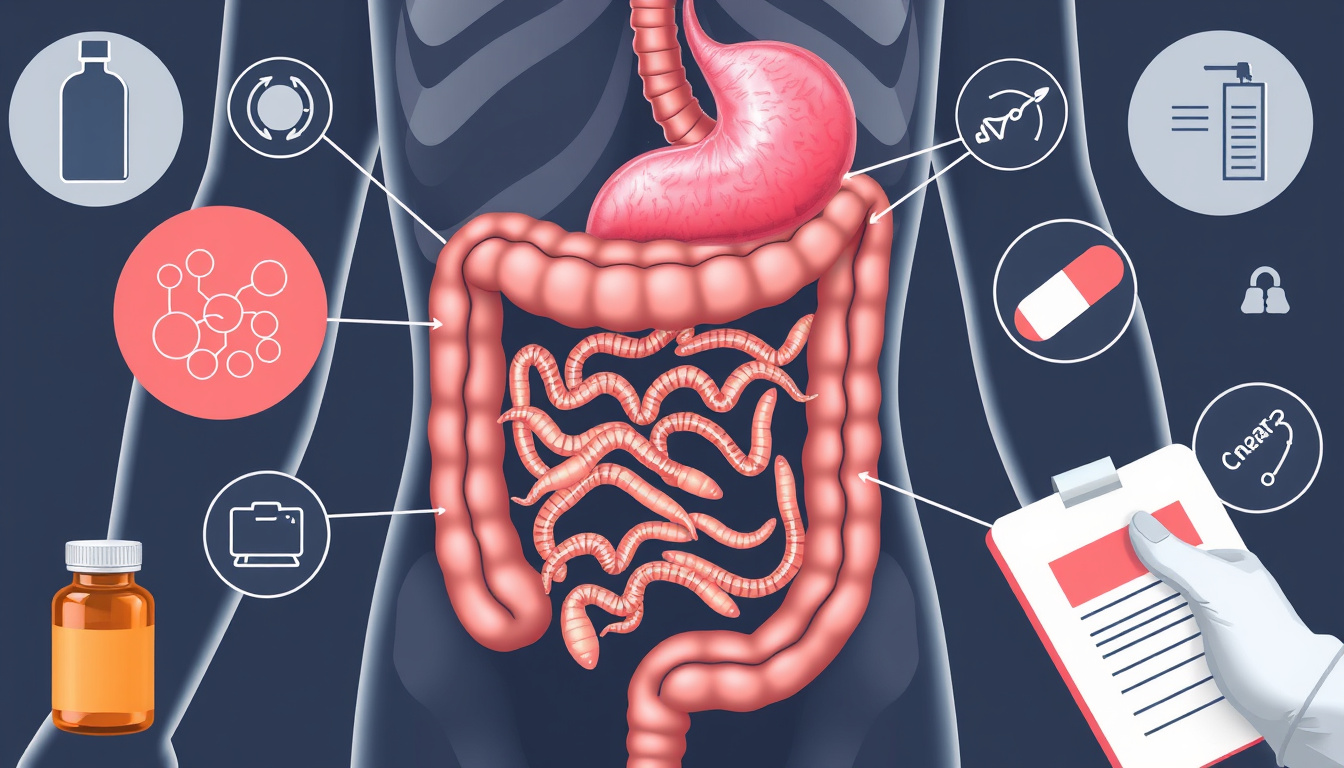

The thought of having intestinal worms might make you squirm, but it’s a surprisingly common concern. With over Medanta Institute (a leading multi-specialty hospital in India) reporting that about one-quarter of the world’s population carries these parasites, knowing the symptoms and treatment options is more than just peace of mind.
Global prevalence of intestinal worms: 1.5 billion people affected ·
Most common type in adults: Threadworm (Enterobius vermicularis) ·
Treatment success rate with medication: Over 90% ·
Typical duration without treatment: Weeks to months ·
Percentage of cases asymptomatic: Up to 50% in light infections
Quick snapshot
- Abdominal pain or cramping (Medanta Institute)
- Diarrhea or constipation (Medanta Institute)
- Anal itching (Medanta Institute)
- Unexplained weight loss (Medanta Institute)
- Fatigue (Medanta Institute)
- Nausea (Medanta Institute)
Source: Medanta Institute
- Stool sample test (Medanta Institute)
- Scotch tape test for pinworms (Medanta Institute)
- Blood tests (eosinophilia) (Medanta Institute)
- Imaging (rarely needed) (Medanta Institute)
Source: Medanta Institute
- Oral medications: albendazole, mebendazole, pyrantel pamoate (Medanta Institute)
- Natural remedies (limited evidence) (Medanta Institute)
- Symptom management (Medanta Institute)
- Follow-up stool test to confirm clearance (Medanta Institute)
Source: Medanta Institute
- Wash hands thoroughly after using toilet and before eating (Medanta Institute)
- Wash fruits and vegetables (Medanta Institute)
- Avoid walking barefoot in endemic areas (Medanta Institute)
- De-worm pets regularly (Medanta Institute)
- Practice safe food handling (Medanta Institute)
Source: Medanta Institute
Four key facts summarize what’s known about intestinal worm infections and their management.
| Label | Value |
|---|---|
| Common types of intestinal worms | Threadworm (Enterobius), roundworm (Ascaris), tapeworm (Taenia), whipworm (Trichuris), hookworm (Ancylostoma) |
| Primary risk factors | Poor sanitation, tropical travel, soil contact, undercooked meat or fish |
| Diagnostic tests | Stool microscopy, adhesive tape test, serology (rare) |
| Treatment duration | Usually single dose or short course (1–3 days) |
What Are the First Signs of Having Worms?
The first signs of an intestinal worm infection can be subtle, but a few symptoms are quite telling. According to Medanta Institute (a leading multi-specialty hospital in India), the most common symptoms include abdominal pain, bloating, diarrhea, and nausea. Anal itching, especially at night, is a hallmark of threadworm infection.
How do you know if adults have worms?
- Visible worms or eggs in stool (though not always present)
- Unexplained weight loss and fatigue – reported by Medanta Institute
- Bloody stools can occur, particularly with hookworm or whipworm infections
What are silent signs you could have a parasite?
- Iron-deficiency anemia from chronic hookworm blood loss
- Irritability and sleep disturbances in children; in adults, vague fatigue
- Mild bloating or gas that doesn’t resolve
How do you know if your body is full of parasites?
Heavy infections can cause intestinal obstruction, a serious complication. Medanta Institute notes that tapeworm larvae can even migrate to the brain, eyes, or muscles, leading to seizures and permanent damage. However, most cases are mild and often go undetected.
The pattern is clear: many infections show no symptoms at all. Up to 50% of light infections are asymptomatic, meaning you might carry worms without knowing it. The catch? Even mild infections can pass to others or worsen over time.
The implication: If you’re in a low-prevalence country like Ireland or the UK, threadworm is the most likely culprit, and a simple adhesive tape test can confirm it. Don’t assume you’re in the clear just because symptoms are mild.
What Naturally Kills Intestinal Worms in Humans?
Many people prefer natural remedies, but the evidence base is limited. Here’s what the research says about common home treatments.
What foods kill parasites in humans?
- Garlic – contains allicin, which Medanta Institute notes may help fight intestinal parasites (though clinical trials are lacking)
- Papaya seeds – one study showed that combining ground papaya seeds with honey cleared parasites in many participants
- Pumpkin seeds – contain compounds that may paralyze worms, making them easier to expel
- Black walnut – traditionally used, but not FDA-approved
What is the best natural remedy for worms?
There is no single “best” natural remedy with strong clinical backing. Medanta Institute reports that dietary fiber and probiotics support gut health, which may reduce parasite load indirectly. However, anyone relying solely on natural treatments should consult a doctor first, especially if symptoms persist.
Natural remedies may offer some relief for mild infections, but they lack the rigorous clinical evidence that pharmaceutical medications have. For threadworm, the most common adult infection, a single dose of mebendazole achieves over 90% clearance – something no herb has matched in controlled trials.
The implication: For effective clearance, medication is the proven choice while natural remedies are supplementary at best.
Can Worms Go Away on Their Own in Adults?
It depends on the type of worm. Some infections resolve spontaneously, while others require medical treatment.
How long can worms live in the body?
- Threadworm (pinworm) – up to 8 weeks in the gut; eggs can survive outside the body for 2–3 weeks
- Roundworm – adult worms live 1–2 years
- Tapeworm – can live for decades if untreated
What happens if worms are left untreated?
- Mild threadworm infections may clear on their own, but reinfection from scratching is common
- Chronic hookworm infections cause anemia from blood loss, as Medanta Institute warns
- Untreated roundworm can lead to intestinal blockage
- Tapeworm larvae can cause cysticercosis – a serious condition affecting the brain
The pattern: Self-limiting infections are the exception, not the rule. Most soil-transmitted helminths require treatment to prevent long-term health issues.
What Vitamin Kills Parasites?
Claims about vitamins as antiparasitic agents often go viral, but the science is thin.
How does vitamin C affect parasites?
Vitamin C has shown some antiparasitic activity against blood-stage Plasmodium (malaria) in laboratory research. However, there is no strong evidence that vitamin C effectively treats intestinal worms in humans. The studies that exist focus on malaria, not helminths.
Are there other vitamins with antiparasitic effects?
- Vitamin A and zinc support immune function, which may help reduce parasite burden, but they don’t directly kill worms
- Claims about specific vitamins should be verified with clinical studies
While vitamin supplementation is generally safe, expecting a single vitamin to clear a worm infection is unrealistic. The immune-boosting role of vitamins A and C may help prevent reinfection, but the primary treatment remains antiparasitic medication.
The pattern: Vitamins support immunity but are not a substitute for antiparasitic drugs.
How Common Are Worms in Humans?
Intestinal worms are far more common globally than most people in developed countries realize. Medanta Institute states that about one-quarter of the world’s population is affected, mostly in tropical and subtropical regions.
Are worms common in adults?
- In developed countries (US, UK, Ireland), adult prevalence is low – around 1–2%
- Threadworm is the most common, especially in households with children
- Risk increases with travel to endemic areas, poor sanitation, or contact with infected individuals
What regions have the highest prevalence?
- Sub-Saharan Africa, Southeast Asia, and Latin America have the highest rates
- Soil-transmitted helminths (roundworm, whipworm, hookworm) are endemic in areas without improved sanitation
The implication: For adults in Ireland or the UK, the chance of having worms is relatively low, but if you’ve traveled recently or have children in daycare, it’s worth knowing the signs. Threadworm is easily treatable and rarely dangerous when caught early.
Confirmed facts vs. What remains unclear
- Symptoms of worm infection include abdominal pain, diarrhea, and anal itching (Medanta Institute)
- Threadworm is the most common worm infection in developed countries (Medanta Institute)
- Medications like albendazole and mebendazole are effective against most intestinal worms
- The efficacy of most natural remedies (garlic, pumpkin seeds) is not robustly supported by clinical trials
- Whether vitamin C can treat intestinal worms in humans is not established; evidence is limited to Plasmodium
- The exact proportion of adult infections that resolve spontaneously without treatment is unknown
What experts say about intestinal worms
“Soil-transmitted helminths affect over 1.5 billion people worldwide, making them one of the most widespread neglected tropical diseases.”
— Dr. Peter Hotez, Baylor College of Medicine, citing global burden data
“If you notice persistent abdominal pain or anal itching, it’s wise to get tested for intestinal parasites. Most infections are easily treated with a single dose of medication.”
— Cleveland Clinic gastroenterology team, as reported by Medanta Institute
Two perspectives, one conclusion: worm infections are common, treatable, and often overlooked. For Irish adults, the most actionable step is to request a stool or tape test if symptoms point to pinworm.
ebsco.com, israelpharm.com, healthhispanica.com, healthline.com, pristyncare.com, healthdirect.gov.au, my.clevelandclinic.org
While the symptoms of worms in adults often include abdominal pain and fatigue, recognizing the symptoms of worms in children can help parents identify similar issues early in their kids.
Frequently asked questions
Can worms cause weight loss in adults?
Yes, especially with moderate to heavy infections. Worms consume nutrients from the gut, leading to unexplained weight loss. Medanta Institute lists this as a common symptom.
Are intestinal worms contagious?
Some are, notably threadworm (pinworm). Eggs can spread via contaminated hands, bedding, or surfaces. Direct person-to-person transmission is possible, especially in households with children.
How do I prevent reinfection after treatment?
Wash hands rigorously, change and wash bedding and towels on the first day of treatment, avoid scratching the anal area, and treat all household members if threadworm is diagnosed.
Do I need to see a doctor if I think I have worms?
Yes, for a proper diagnosis and prescription. Over-the-counter treatments are not always effective for all worm types.
Can I get worms from my pet?
It’s rare but possible. Pets can transmit certain roundworms and hookworms. Regular deworming of pets and good hygiene reduce the risk.
Is it safe to use over-the-counter deworming medicine?
OTC treatments like mebendazole are generally safe for threadworm but may not cover other parasites. Always confirm the type of worm with a test first.
How long after treatment do symptoms improve?
Anal itching typically resolves within a few days. Abdominal symptoms may take up to a week. A follow-up stool test is recommended to confirm clearance.
Related reading
- Pain Left Side of Stomach – Causes in Men & Women, When to Worry
- Walk In Clinic Near Me in Ireland – Locations & Guide
For the adult in Ireland experiencing persistent digestive trouble or anal itching, the choice is clear: get a proper test from your GP rather than relying on guesswork or home remedies alone. A single dose of medication can resolve most cases within a week. If you wait for a self-cure that may never come, you risk complications and spreading the infection to others.

Oliver Jack Carter Cooper is a staff writer for EveningLedger.uk, covering UK news, politics, business and culture. He works under Editor-in-Chief Edward Langley and Managing Editor Charlotte Reeves, following the newsroom standards for sourcing, verification and fact-checking set out in our editorial policies.