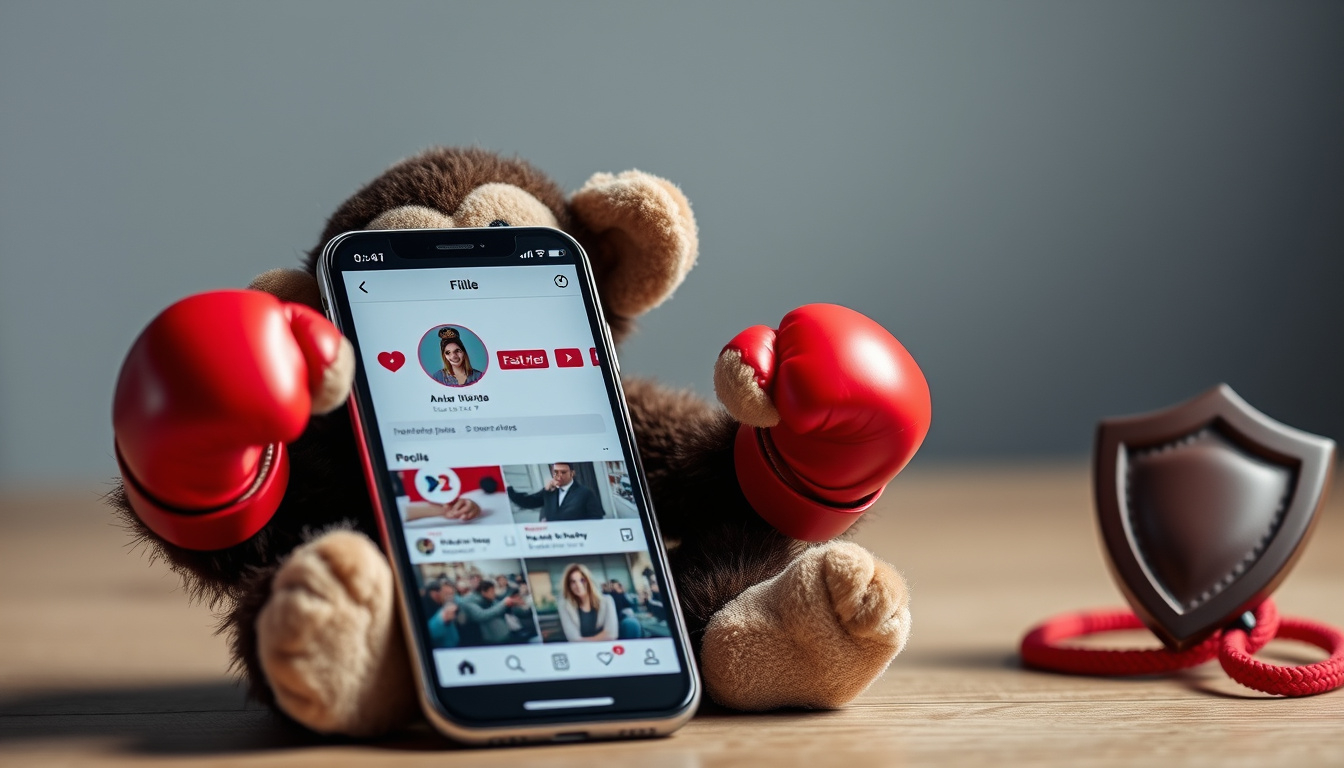
A baby monkey clinging to a stuffed orangutan tends to melt hearts, but Punch, the Japanese macaque at Ichikawa City Zoo, has turned that image into a harder conversation about animal welfare and viral fame. Born in July 2025 and rejected by his mother, Punch became a global symbol of resilience while raising sharp questions about zoo life for a primate humans can’t stop watching.
Species: Japanese macaque (Macaca fuscata) ·
Birth date: 26 July 2025 ·
Location: Ichikawa City Zoo, Chiba, Japan ·
Viral detail: Clinging to a plush companion after maternal rejection
Quick snapshot
- Punch is a Japanese macaque born 26 July 2025 at Ichikawa City Zoo (CNN)
- Rejected by his mother, he was hand-reared and became known for clinging to an orange orangutan plush toy (Associated Press)
- Whether an official “Punch monkey” Instagram account exists (CNN)
- Whether the “Punch monkey attack” related search refers to a real event
- By March 2026, Punch was reportedly using the plush toy less often (Associated Press) (The New York Times)
- Punch was gradually reintroduced to his troop during January 2026 (The New York Times)
- Whether Punch achieves permanent troop integration depends on continued zoo management (The Japan Times)
- Animal rights group PETA has called for Punch to be moved to a reputable sanctuary (Ground News)
The verified baseline is compact; the table below compresses it into one read.
| Label | Value |
|---|---|
| Species | Japanese macaque |
| Birth date | 26 July 2025 |
| Zoo | Ichikawa City Zoo, Chiba, Japan |
| Viral detail | Carried a stuffed plush toy after maternal rejection |
| Reintroduced to troop | January 2026 |
| Plush toy usage | Reportedly using it less often by March 2026 |
Is Punch a macaque?
Yes. Punch is a Japanese macaque, a monkey species native to Japan, living at Ichikawa City Zoo in Chiba Prefecture (CNN).
What species is Punch?
- Punch belongs to Macaca fuscata, the Japanese macaque, also known as the snow monkey (The New York Times).
- Japanese macaques are highly social primates that live in large troops, a fact central to Punch’s story.
Where does Punch live?
- Punch lives at Ichikawa City Zoo in Chiba, Japan (CNN).
- He was born in July 2025 and was hand-reared after being abandoned by his mother (NBC News).
Why was Punch in the news?
Punch became widely known after videos showed him clinging to an orange orangutan plush toy (Associated Press). Keepers tried alternatives including rolled-up towels and other stuffed animals before settling on the orangutan toy, reportedly from IKEA (The Japan Times).
The implication: Punch’s fame is built on a deeply relatable image—a baby finding comfort in a soft object—but the underlying story is about a primate whose mother rejected him and whose care has become a public debate.
What is the official Punch monkey on Instagram?
There isn’t a verified official “Punch monkey” Instagram account confirmed by the zoo in major reporting (CNN).
How to identify official Punch monkey accounts
- Some Instagram posts using the name PUNCH are fan or media accounts, not necessarily official zoo accounts.
- CNN’s Instagram reporter @hanacocoaa visited Punch and shared video of his plush companion, creating a widely shared media account rather than an official zoo presence.
What has CNN confirmed?
- CNN reported that Punch had begun hugging and playing with other macaques (CNN).
- The zoo reportedly created a restricted viewing zone to reduce stress associated with Punch’s sudden popularity (Ground News).
Fan accounts vs verified sources
Punch’s story generated international online attention and sympathy (NBC News). For official updates, prioritize zoo statements or major news organizations over fan aggregators.
The catch: the zoo’s social-media posts contributed to the public discussion about whether Punch was being bullied (The Japan Times), but no verified account has been confirmed as the single official source.
What is the latest update on Punch Kun?
Punch’s status has shifted significantly from his early days of isolation. After hand-rearing, he has been gradually reintegrated into his troop, and the zoo maintains that his rough treatment by other macaques is normal social behavior, not bullying.
What happened after Punch was rejected?
- Punch was born on 26 July 2025 at Ichikawa City Zoo (CNN).
- His mother rejected him shortly after birth, so keepers stepped in and he bonded with a plush toy (Associated Press).
- Punch was gradually reintroduced to the troop he was born into during January 2026 (The New York Times).
When did Punch become viral?
Punch became widely known after videos showed him clinging to an orange orangutan plush toy (Associated Press). By March 2026, he was reportedly using the plush toy less often (Associated Press), indicating progress in his social development.
What did the zoo say about Punch’s progress?
- The zoo said Punch was increasingly being groomed or played with by other monkeys (The Japan Times).
- CNN reported that Punch had begun hugging and playing with other macaques (CNN).
- The zoo said no single monkey had shown serious aggression toward Punch (NBC News).
Punch’s story also drew international coverage from Forbes in February 2026, which noted the worldwide support for him, and PETA has called for Punch to be moved to a reputable sanctuary (The Japan Times).
The zoo warned that separating Punch from the troop could make permanent group reintegration impossible (The Japan Times), pitting immediate welfare concerns against long-term social success.
Ichikawa City Zoo is betting that gradual troop integration will give Punch a more stable life than sanctuary relocation would, while PETA argues the zoo itself is the problem.
The pattern: the more Punch’s caretakers emphasized long-term reintegration, the more the welfare debate shifted from the plush toy to the question of what the zoo owes him.
Are Japanese macaques friendly?
Japanese macaques are highly social primates that live in troops, but friendly behavior toward humans is not guaranteed. Punch’s story is a reminder that wild macaques can bite or grab, and zoo-born macaques retain monkey instincts even when habituated to keepers.
Japanese macaque social behavior
- Japanese macaques live in troops with complex social hierarchies (The New York Times).
- Punch initially struggled socially because he lacked maternal guidance during reintegration (The New York Times).
Can wild Japanese macaques be friendly?
The zoo said Punch’s chasing and rough treatment by other macaques represented ordinary social discipline rather than bullying (The Japan Times). This is a key insight into macaque behavior: what looks like aggression to humans is often how monkeys establish boundaries and social order.
How to read monkey body language
- A direct stare can be seen as a challenge.
- Showing teeth in a grin can be read as aggression, not a smile.
- Do not feed or approach monkeys, as this increases conflict risk.
Why this matters: Punch’s viral fame has made him an accidental ambassador for understanding that macaques are not cuddly companions—they are wild animals with specific social rules. For visitors to zoos or natural habitats, respecting those rules is the best way to stay safe.
What to do if a monkey jumps on you?
Punch’s story has brought many new visitors to Ichikawa City Zoo, and with that comes a practical question: what do you do if a monkey jumps on you? Whether in a zoo or in the wild, the principles are the same.
Immediate steps during a monkey encounter
- Stay calm and avoid screaming or sudden movements.
- Do not stare directly at the monkey or show teeth in a grin, which can be read as aggression.
- Move away slowly while keeping the monkey in sight, and do not chase or corner it.
What not to do if a monkey jumps on you
- Do not run, as this triggers a chase instinct.
- Do not try to push the monkey off violently; it may bite or scratch in response.
- Do not hold food or shiny objects, which can attract more monkeys.
When to seek medical help after a bite
If bitten or scratched, wash the wound thoroughly and seek medical attention, since monkeys can carry infections (NBC News).
Monkey encounters are manageable if you control your reactions. Your calm is the best safety tool; a monkey that jumps on you is likely curious, not hostile.
The pattern: a calm, non-confrontational response is the same whether the encounter happens in a zoo or a forest.
Timeline of Punch’s story
Punch’s journey from rejected infant to viral sensation to socializing juvenile unfolded quickly, but each stage has been carefully documented.
- : Punch born at Ichikawa City Zoo (CNN).
- : Punch rejected by his mother; keepers intervened and he bonded with a plush toy (Associated Press).
- : Punch’s story spreads on Instagram and YouTube (NBC News).
- : Punch gradually reintroduced to his troop (The New York Times).
- : Forbes article notes worldwide support for Punch.
- : The Japan Times reports zoo’s statement that Punch is not bullied (The Japan Times).
- : CNN reports Punch hugging and playing with other macaques (CNN).
- : New York Times profiles Punch’s troop integration (The New York Times).
The pattern: each date moves Punch further from the orphaned-infant image that made him famous.
What’s confirmed and what’s not
The Punch story is a case study in separating verified facts from fan speculation. Here’s where things stand.
Confirmed facts
- Punch is a Japanese macaque born at Ichikawa City Zoo (CNN).
- Punch’s mother rejected him shortly after birth (NBC News).
- Punch has become known for clinging to a stuffed plush toy (Associated Press).
- CNN and Forbes have covered his story (CNN).
- The zoo said Punch was increasingly being groomed or played with by other monkeys (The Japan Times).
- Punch was reportedly using the plush toy less often by March 2026 (Associated Press).
What’s unclear
- Whether an official “Punch monkey” Instagram account exists (CNN).
- Whether Punch has been fully accepted by the macaque troop (The New York Times).
- Punch’s current health and long-term zoo care plan.
- Whether the “Punch monkey attack” related search refers to a real event.
- Whether the restricted viewing zone will remain in place as Punch’s popularity evolves.
- Whether the zoo will keep using the plush-toy strategy if Punch’s social progress stalls.
Punch’s fame brought attention and, according to Ground News, a restricted viewing zone created to reduce stress, but it also intensified the public scrutiny that forced the zoo to defend its management decisions.
The catch: the verified record supports the broad story, but the public conversation has moved ahead of what any single source can confirm.
Voices on Punch’s care
Different perspectives on Punch’s situation reveal the tension between animal welfare advocacy and zoo management.
“The zoo said Punch’s chasing and rough treatment by other macaques represented ordinary social discipline rather than bullying.”
Ichikawa City Zoo, as reported by The Japan Times
“PETA called for Punch to be moved to a reputable sanctuary, arguing that zoos do not provide the autonomy and complex social environments associated with sanctuaries or natural habitats.”
PETA, as reported by The Japan Times
“Punch’s story generated international online attention and sympathy.”
NBC News on the global reaction
The consequence: the zoo’s position is that removal would harm Punch’s chances of troop integration, while PETA’s position is that zoo life itself is the problem. Neither side disputes that public attention has made Punch a special case—one where every management decision is now made under a global spotlight.
Frequently asked questions
How old is Punch monkey?
Punch was born on 26 July 2025, making him just over one year old as of mid-2026 (CNN).
Why was Punch rejected by his mother?
Punch was abandoned or rejected by his mother shortly after birth, which is why keepers stepped in to hand-rear him (NBC News). The exact reasons for maternal rejection in macaques are not always known, but first-time mothers sometimes fail to bond with their infants.
What toy does Punch carry?
Punch became known for clinging to an orange orangutan plush toy, reportedly an IKEA toy (The Japan Times). Keepers tried alternatives including rolled-up towels before settling on this toy (The Japan Times).
Is Punch monkey still at Ichikawa City Zoo?
As of the latest reports in May 2026, Punch remains at Ichikawa City Zoo and is being gradually integrated into his troop (The New York Times).
How can I tell if a monkey is stressed?
Signs of stress in macaques include excessive self-grooming, rocking, avoidance of other monkeys, and increased aggression. The zoo reportedly created a restricted viewing zone for Punch to reduce stress associated with his sudden popularity (Ground News).
Should I approach a wild monkey for a photo?
No. Do not feed or approach monkeys, as this increases conflict risk. If a monkey jumps on you, stay calm, avoid eye contact, and move away slowly.
The pattern: these questions keep returning because Punch’s story invites projection; the verified answers are narrower than the public conversation.
Related reading
- Akita Dog: Aggression, Family Suitability, UK Laws
- MLP Rainbow Dash: Character Analysis, LGBTQ Theories & Autism
For animal lovers who have followed Punch’s journey, the broader lesson is that viral fame can be a double-edged sword. The same attention that reportedly prompted the zoo to create restricted viewing zones also funds the care that keeps Punch alive. For the millions who watched Punch cling to his plush orangutan, the hope is that he grows up healthy, accepted by his troop, and free from the stress that fame brings. For Ichikawa City Zoo, the choice is clear: continue the reintegration process carefully, or face mounting pressure from animal rights groups to transfer Punch elsewhere.

Oliver Jack Carter Cooper is a staff writer for EveningLedger.uk, covering UK news, politics, business and culture. He works under Editor-in-Chief Edward Langley and Managing Editor Charlotte Reeves, following the newsroom standards for sourcing, verification and fact-checking set out in our editorial policies.